Relocated Centers of Gravity: Everyday Life of Relocated Ukrainian Universities
Les Beley
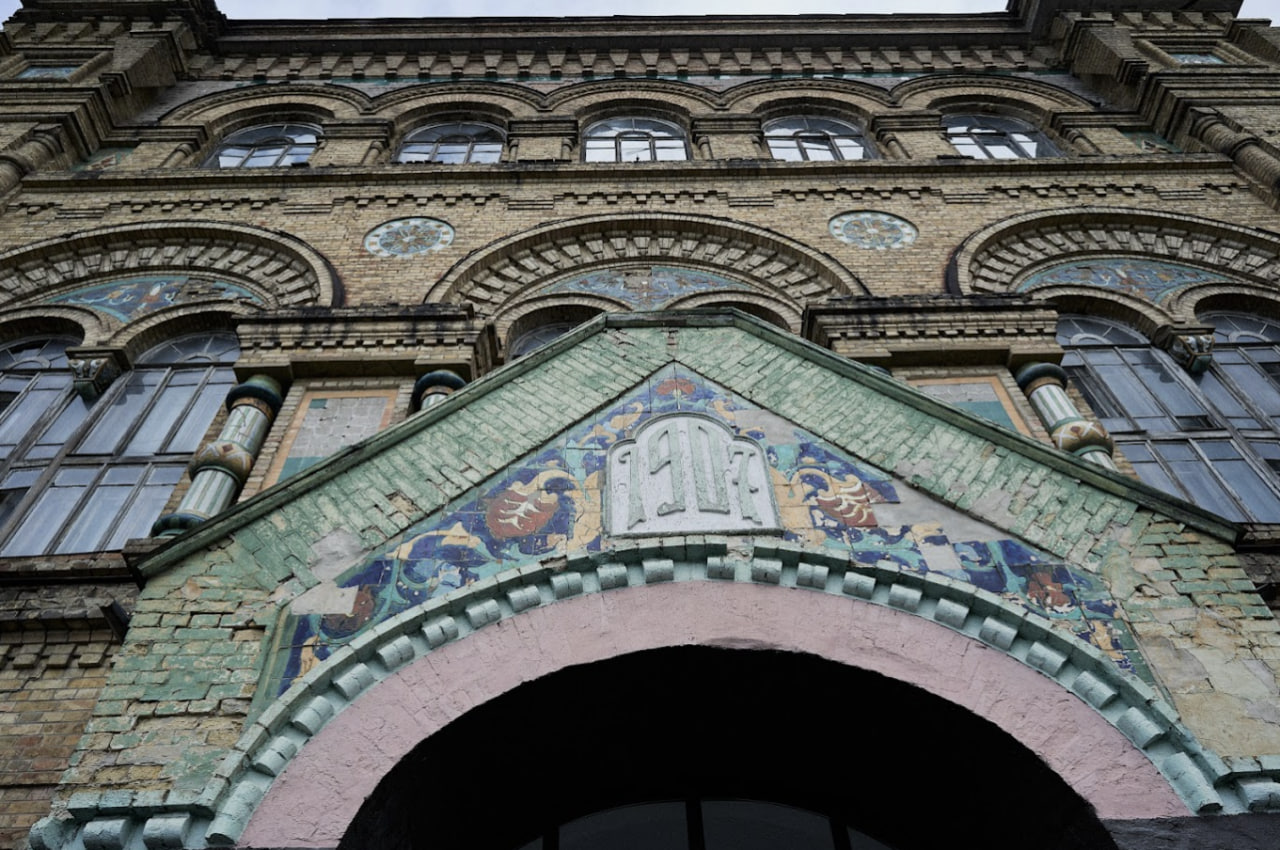
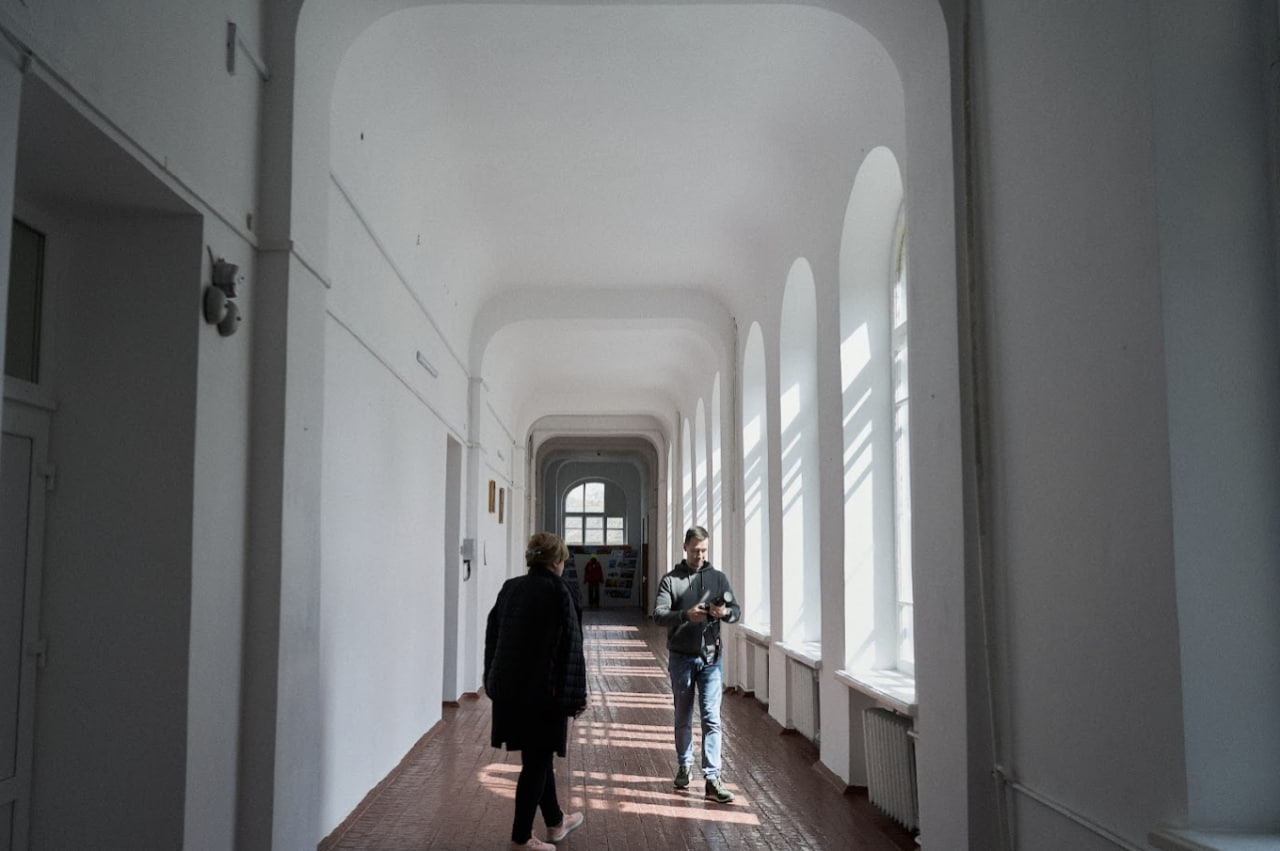
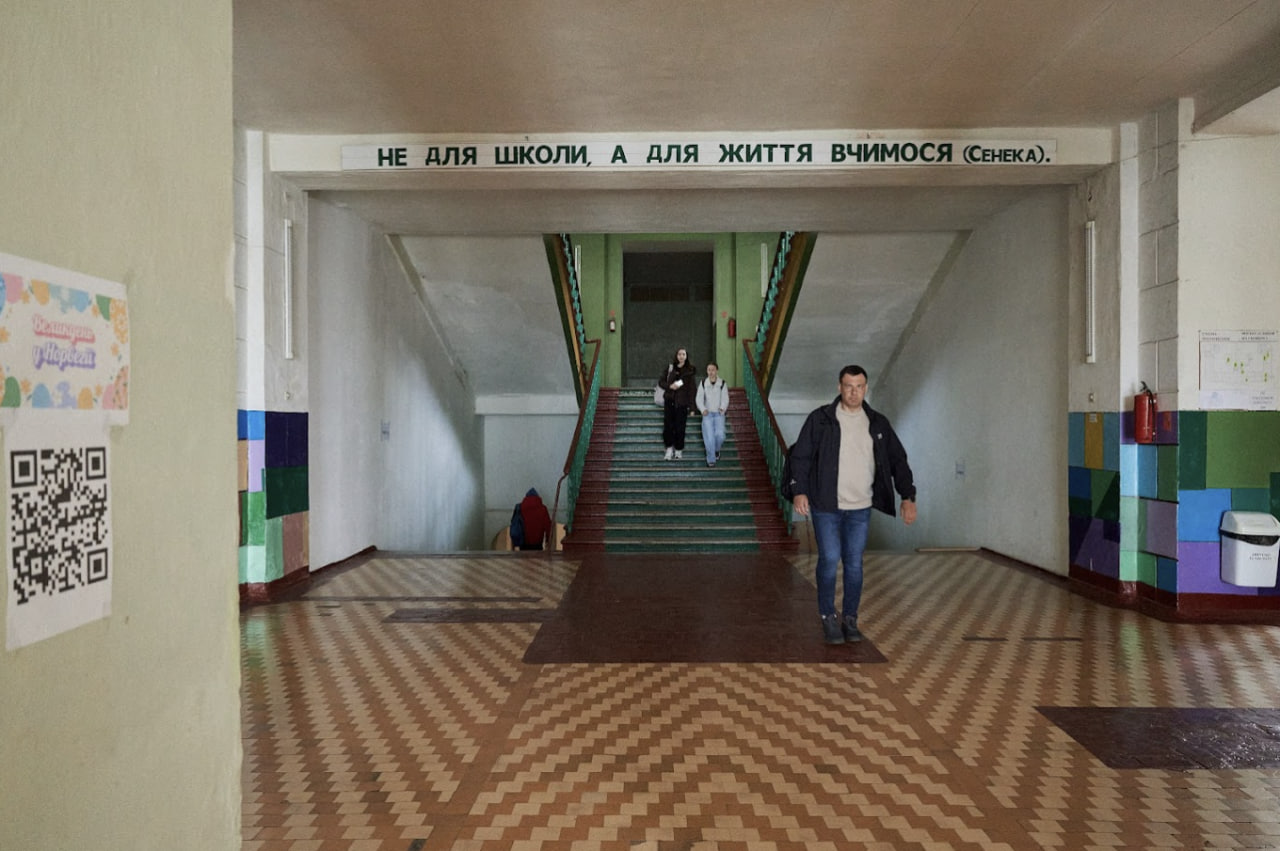
Lubny is a small town in the Poltava region with a population of about 40,000. A prominent building of the Vasyl Barka¹ Gymnasium, designed by architect Oleksii Beketov², is located close to the town center. There are two plaques above the front door. One indicates that the building houses the Gymnasium, and the other tells us that it is home to the Taras Shevchenko³ Luhansk National University.
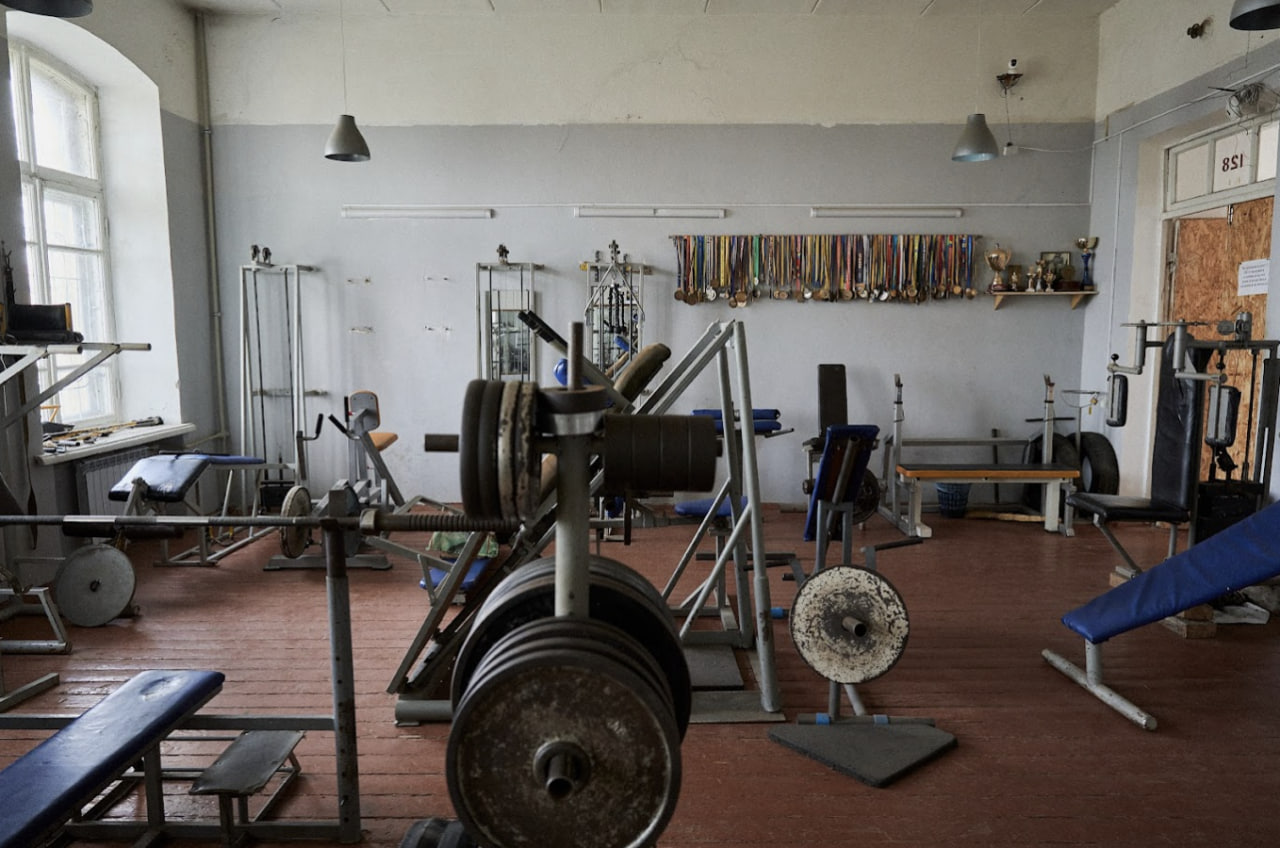
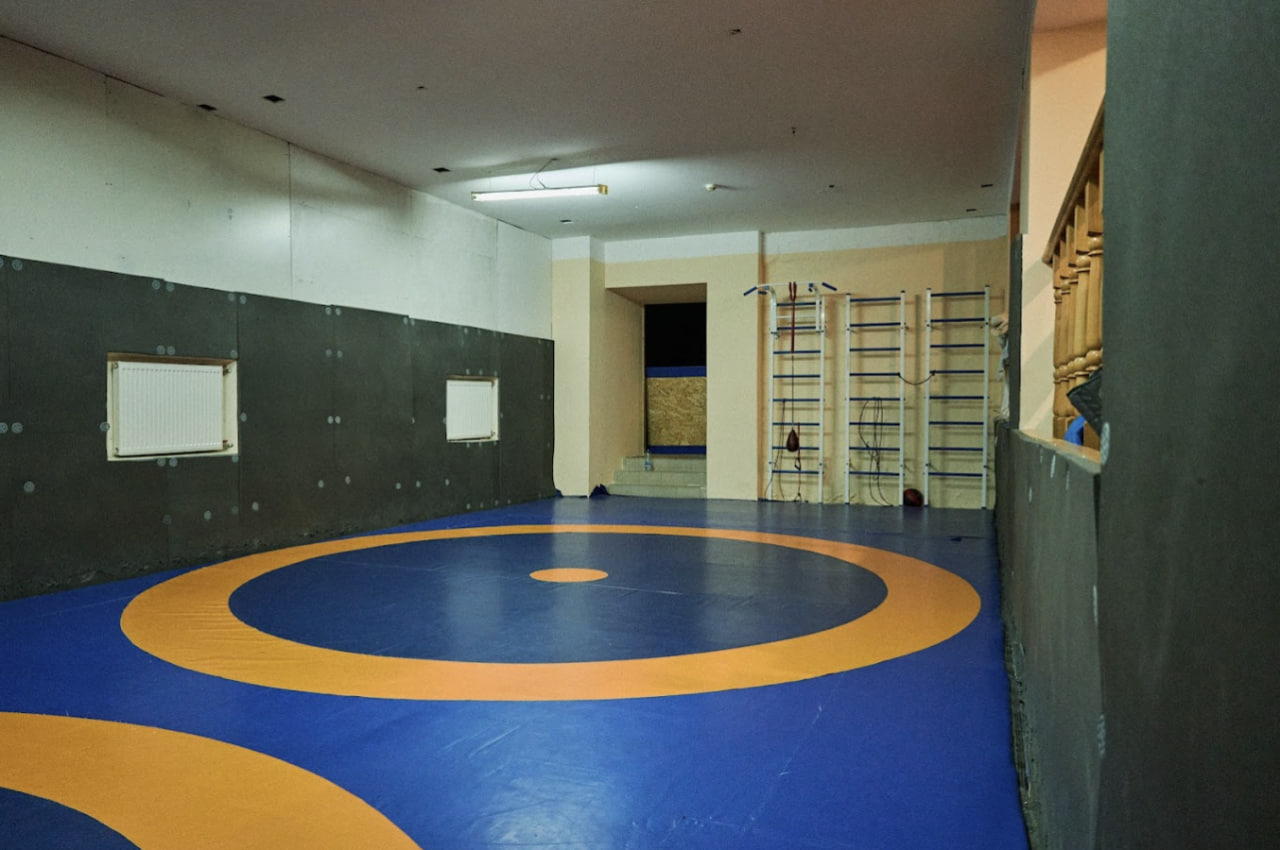
We descend into the basement, which serves as both a gym and an air-raid shelter, to watch teams from the University Colleges celebrate the Health Day with sports competitions. Vitalii Kurylo, the Chair of the University Academic Council, awards the winners.
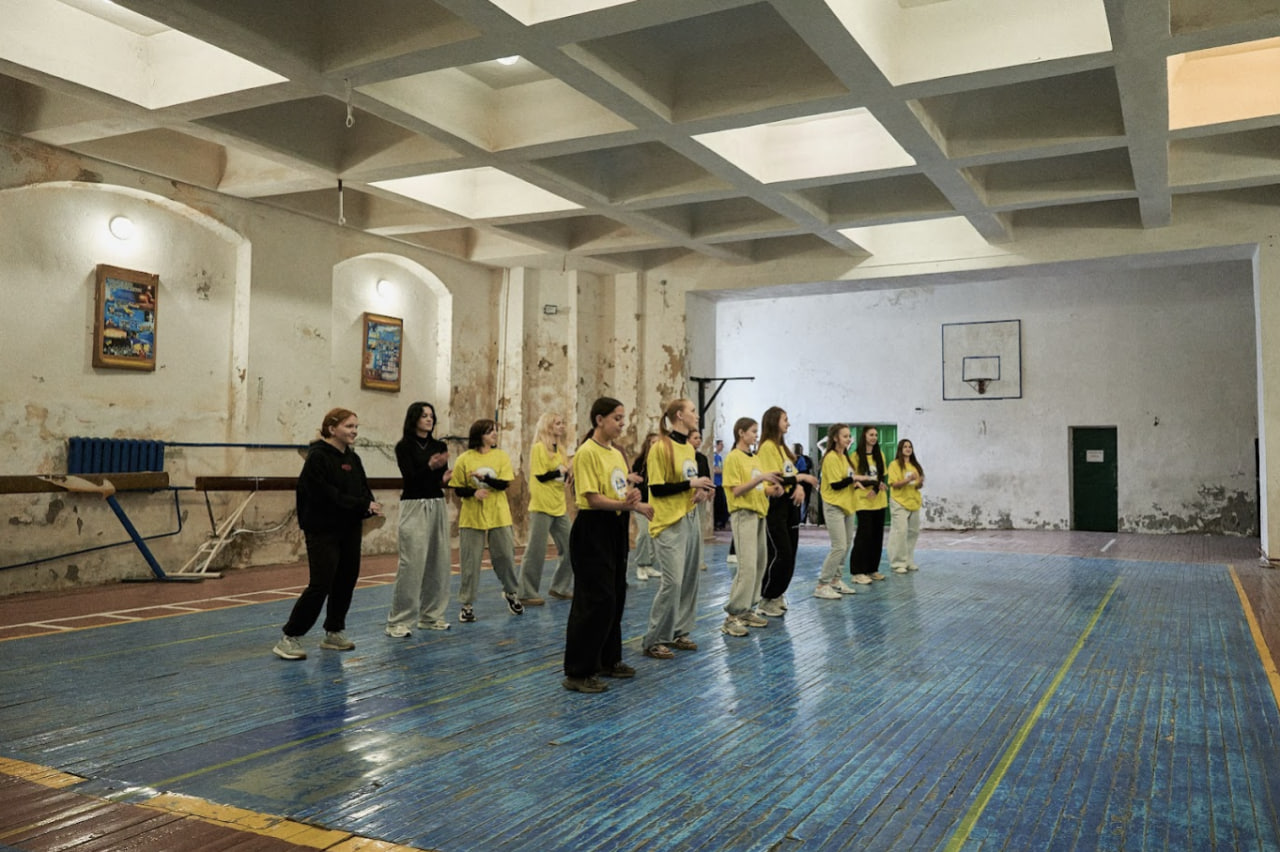
He greets us and apologizes for the poor conditions of the room, complains that the University, being a renter, is not allowed to start a capital renovation, and jokes that the ghost of Beketov haunts them, because in Luhansk, in Starobilsk, and now in Lubny, the institution has been housed in his buildings.
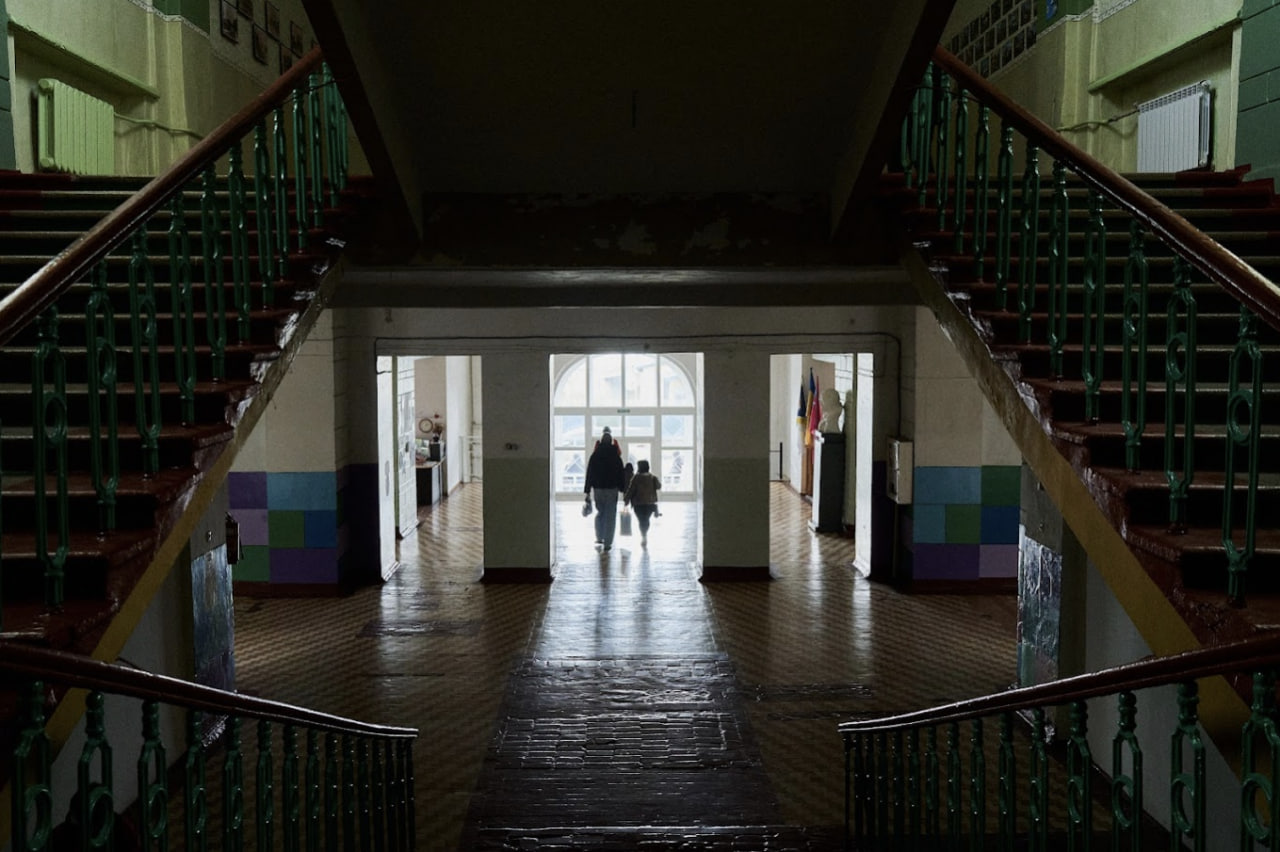
After the awards, we went upstairs to Vitalii’s office, where a photo of Banksy’s mural depicting a child defeating an adult judoka was hanging on the wall, and talked about his experience with the University's double relocation.
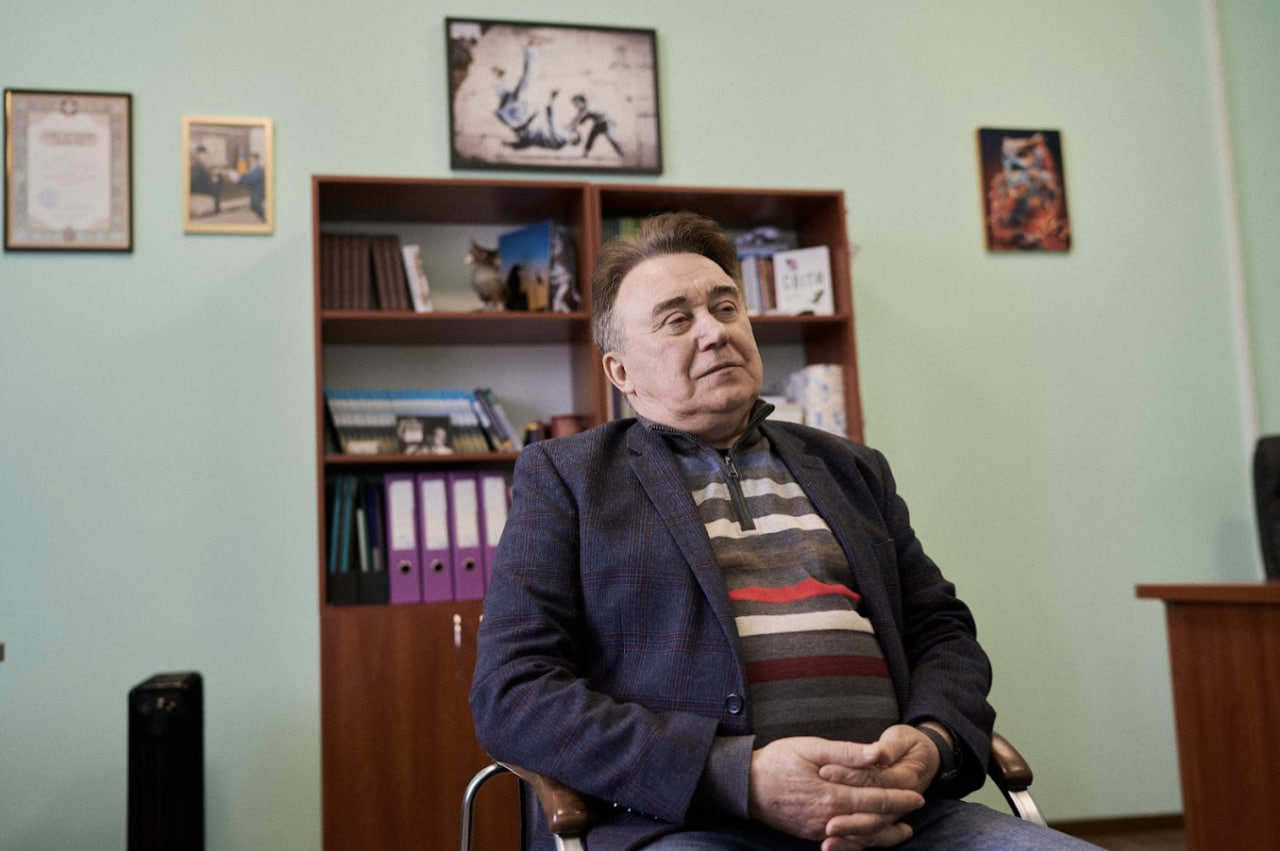
Vitalii recalls 2012 nostalgically. That year, Luhansk University granted 10,000 bachelor’s, associate's, and master’s diplomas and enrolled 10,000 new students. All faculties and colleges combined had around 32,000 students, among them, 2500 foreigners.
The University was one of the centers of resistance when Russian “separatist” activities started in Luhansk⁴. Its main building was near the SBU⁵ building occupied by the separatists.
“I was the rector at the time,” Vitalii recalls. “When they occupied Luhansk, they came after me first, but, thank God, I was warned and left 15 minutes before they arrived.”
The year 2014 was full of confusion. Russian militants disguised themselves under the banner of “local separatism.” There was no direct annexation, the frontline was moving, and nobody knew how long it would last.
A large classical university is a massive infrastructure rooted in the city: academic buildings, dorms, professors, and students who are mostly local, embedded in the environment with their families. Evacuation of a university is a serious logistical challenge. Last time, Ukraine saw something like that during World War II.
In 2013, Vitalii Kurylo signed a collaboration agreement with the University of East Sarajevo. During the war⁶, the university in Sarajevo was split: Bosniaks stayed in place, while Serbs founded their own university in the eastern part of the city.
“I came there, and they shared their experience with me,” Vitalii comments. “They had faculties in four or five cities of Bosnia and Herzegovina. They left stripped naked, and the Bosniaks kept everything. I spent three days there and was questioning the rector the whole time about how it was all arranged, and a year later, we met with the same challenge, but I’d already seen a living example that it was doable.”
Vitalii had to convince the then-Minister of Science and Education, Serhii Kvit, that relocating the university was reasonable, because the Ministry had no idea what to do. They considered temporarily closing the university during the hostilities, transferring students to other universities, etc.
“The Taras Shevchenko LNU became the first Ukrainian University to relocate. On August, 1 2014, I made the decision, got the ministerial approval, and on September 1, we already started the academic year in Starobilsk.”
The university was relocated in full to its branches and colleges located in territories of the Luhansk region that were still under Ukrainian control: in Starobilsk, Rubizhne, Shchastia, and Lysychansk. The Faculty of Foreign Languages and the Institute of Culture and Art, with the largest number of international students, were relocated to Poltava, where the university rented the space. SBU prohibited keeping them in the Luhansk region, near the front lines.
The transfer was swift and organized, allowing the relocation of 85% of the academic staff: “We didn’t have any separatists in our midst,” the former rector says. “Those who stayed in Luhansk were mostly retirees or people who had family reasons to stay.”
Under the occupation, all the university’s property was seized by the fake “Luhansk People’s Republic”; nothing was allowed through the checkpoints. But the biggest challenges were finding lodgings for students and faculty, and organizing the online studying process. Here, the rector’s international experience came in handy once again:
“At the beginning of the 2000s, I visited Strasbourg and saw how they studied online, which considerably lowered the cost of education, and because of that, we had a Department of Online Studying from 2002. At that time, we began transitioning some courses, particularly professional development programs, to online formats. So, when we relocated to Starobilsk, we already had the basics: we knew how to do it, and were using platforms like Moodle⁷. Thanks to the then-member of the supervisory board who owns a business in internet communications, we were provided with a free high-quality internet connection.”
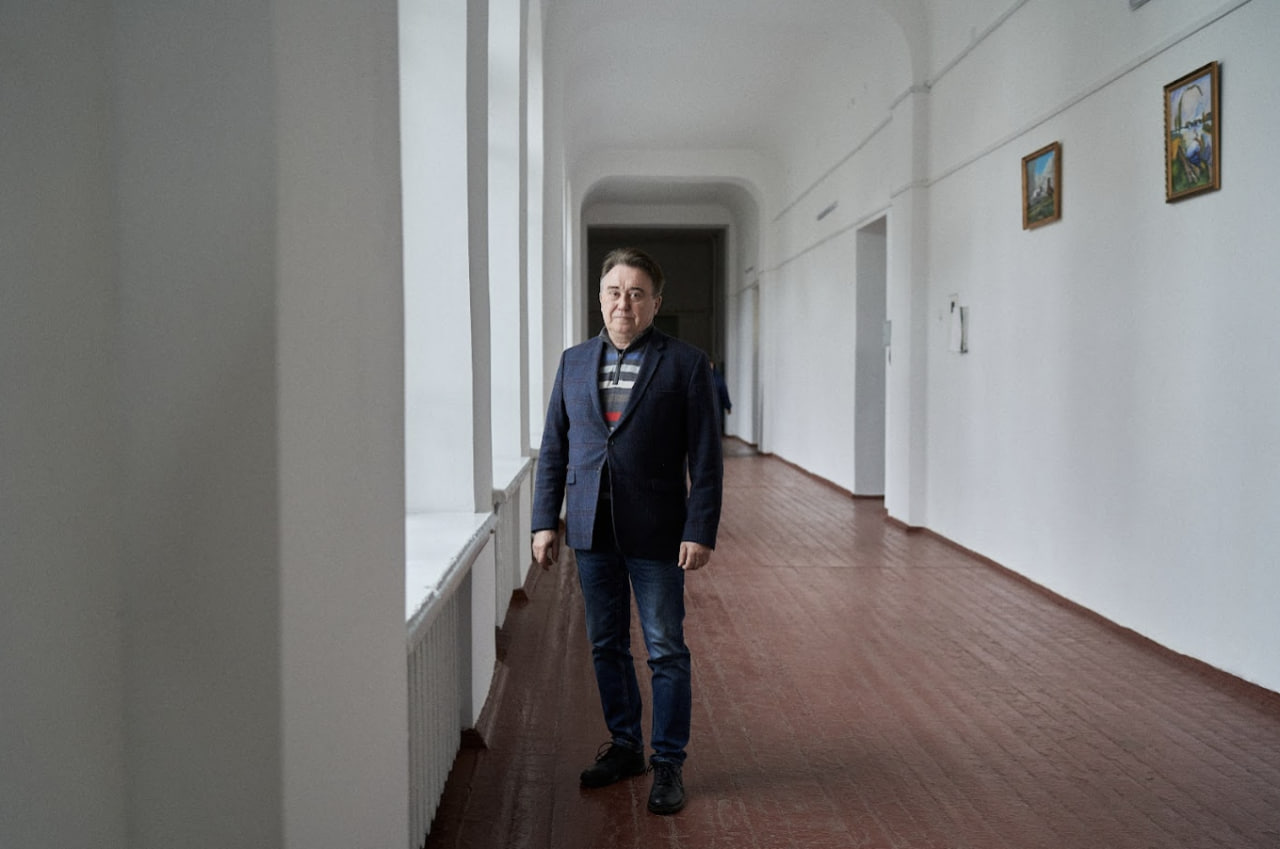
This way, 75% of the students who were studying at the university when it relocated went on to receive Ukrainian diplomas, and new students were enrolling: people from parts of the Luhansk region controlled by Ukraine, and children from the occupied territories alike (every year, around 300 such students enrolled) were studying here. The university was gradually furnishing new academic buildings and dormitories.
At the same time, in the occupied Luhansk, Russians opened their own “Luhansk Pedagogic University”. “They destroyed all the images of Shevchenko, either portraits, busts, or monuments. All the Ukrainian books were confiscated and burned. We had a Ukrainian-Canadian Center⁸, opened in 1994. It had a very large library with valuable literature from the diaspora of the 20th century. They took all the books, because they were ‘Banderite-Fascist⁹ literature’, as they said, and Volodymyr Semystiaha, the chair of the Center, was taken to the basement” (a colloquial phrase that means unlawful imprisonment, usually with torture, in basements of local buildings; a common practice of the occupying forces — transl.).
Vitalii tells us that the Luhansk University survived similar Russian oppression before. Between the University's foundation in 1921 and 1940, the University had 15 rectors, and only two died of natural causes. He mentions mass executions of local Ukrainian studies specialists, and how, in 1940, Oleksandr Dovzhenko¹⁰ visited the University, named after Shevchenko only one year prior, and couldn’t find a single book in Ukrainian in the library, even though before 1934, all subjects were taught in Ukrainian here.
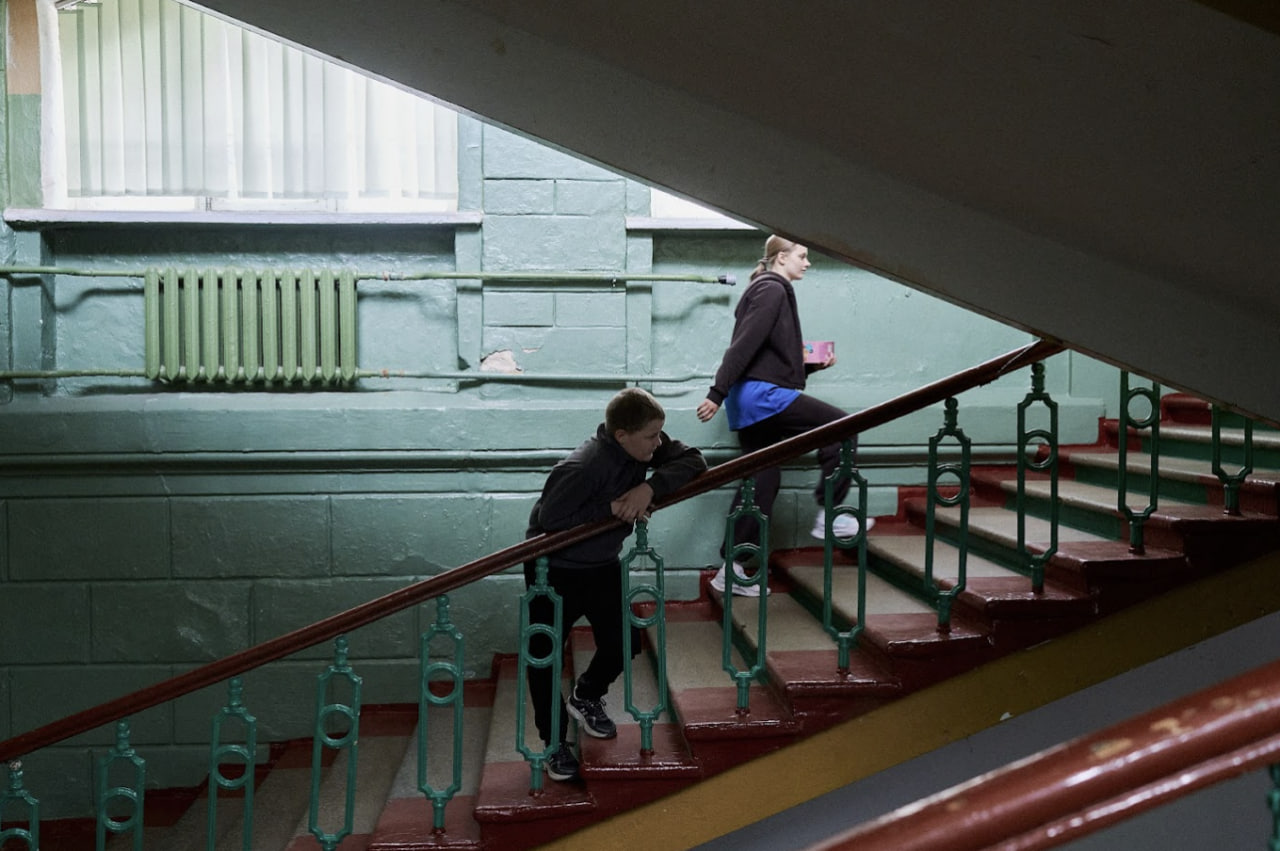
During Stalin’s repressions, neither the Ukrainian educational program nor the numerous professors could be rescued. But in 2014, the faculty managed to relocate and rescue this local center of gravity for science and education, moving it to the free territory of the Luhansk region. And in 2022, the full-scale invasion began.
“On February, 23¹¹ I was on a work trip in Kyiv. I had a gut feeling and ordered the new servers and computers we received from an international project to be moved to Poltava. Those were the only things we managed to move out. Everything else stayed in place because Starobilsk was occupied on February 25. In Rubizhne, our fully renovated building was located close to a military unit, and Russians burned it down with thermobaric bombs¹².”
The university lost all its possessions and was forced to relocate again. As two institutes were already in Poltava, the institution decided to move to the Poltava region while remaining decentralized, with branches in Poltava, Lubny, and Myrhorod. Later, two of the colleges were relocated to Dolyna in the Western Ukrainian Ivano-Frankivsk region.
The auditoria in Lubny have modern equipment: projectors, interactive boards, and video cameras for online classes. The University of Bath (UK) helped furnish the chemical laboratory.

In 2026, around 7,000 students are studying at Taras Shevchenko LNU and its colleges. One-third of the students are from the Luhansk region, one-third from the Poltava region, and the rest from all over Ukraine. The learning process combines online and in-person formats. The core faculty are still from Luhansk (before 2014, there were 2000 professors; now there are 350). Some students are living under occupation, and are at great risk. According to Vitalii’s sources, two of them were seized and sentenced to 12 years in prison.
The demographic crisis in Ukraine, caused by the war and emigration, is felt in all of the universities, including the relocated ones. However, the Taras Shevchenko LNU has been actively working with the military and the veterans since 2014. Currently, around 3,000 alumni of the university have served, or are still serving, in the military. Higher education for all ages is also encouraged.
If Ukrainian forces manage to liberate Luhansk, the university is ready to return and is actively working on a reintegration strategy for the region; however, it’ll remain present in Lubny for some time to allow local students to finish their studies. We need to prepare for different scenarios, Vitalii says, and he doesn’t consider a swift return realistic.
Oleksandr Naboka, a historian, has been working at the Taras Shevchenko LNU since 2005. In 2014, he left the occupied Luhansk, first moving to his relatives in Uzhhorod for three years, then spending five years in Starobilsk, when lodgings for professors became available there, and in 2022, he moved to Zhytomyr. Oleksandr didn’t interrupt his career at the university during all those years. The period of 2014-2022 was easier, he remembers, because there were no air raids on Starobilsk, and the conflict was frozen; the full-scale war is much more turbulent. During those periods, he had to deal with very different students, he adds:
“The students of peaceful times were ‘classic’, from science-focused top students to comic wannabes. The students of 2014–2022 were mostly from villages with a pretty average educational level, many of them financially constrained, but most were sincere and actively interested in innovation. Currently, there is no dominant group. Veterans are a very important part of the student community for me. They have a sincere and continuous interest in history. I currently like this category the most, they give me the greatest sense of fulfillment”.
Among Oleksandr’s students are those studying while on the front lines and listening to lectures between combat missions. Some students are studying from the occupied territories:
“Fear and distress are visible in them, but they are showing themselves as much as they can, reminding everyone that they exist. If there’s an online event, and the news about it is published on the website, they usually ask not to show their photos, but there are some who are not afraid of anything”.
The fate of the V. I. Vernadsky Tavria National University is different. Unlike in the Luhansk region, there wasn’t much combat in Crimea. Russians were disguising themselves as “little green men” (a popular nickname for Russian soldiers who didn’t wear any insignia while they were occupying Crimea — transl.), and later openly annexed the peninsula.
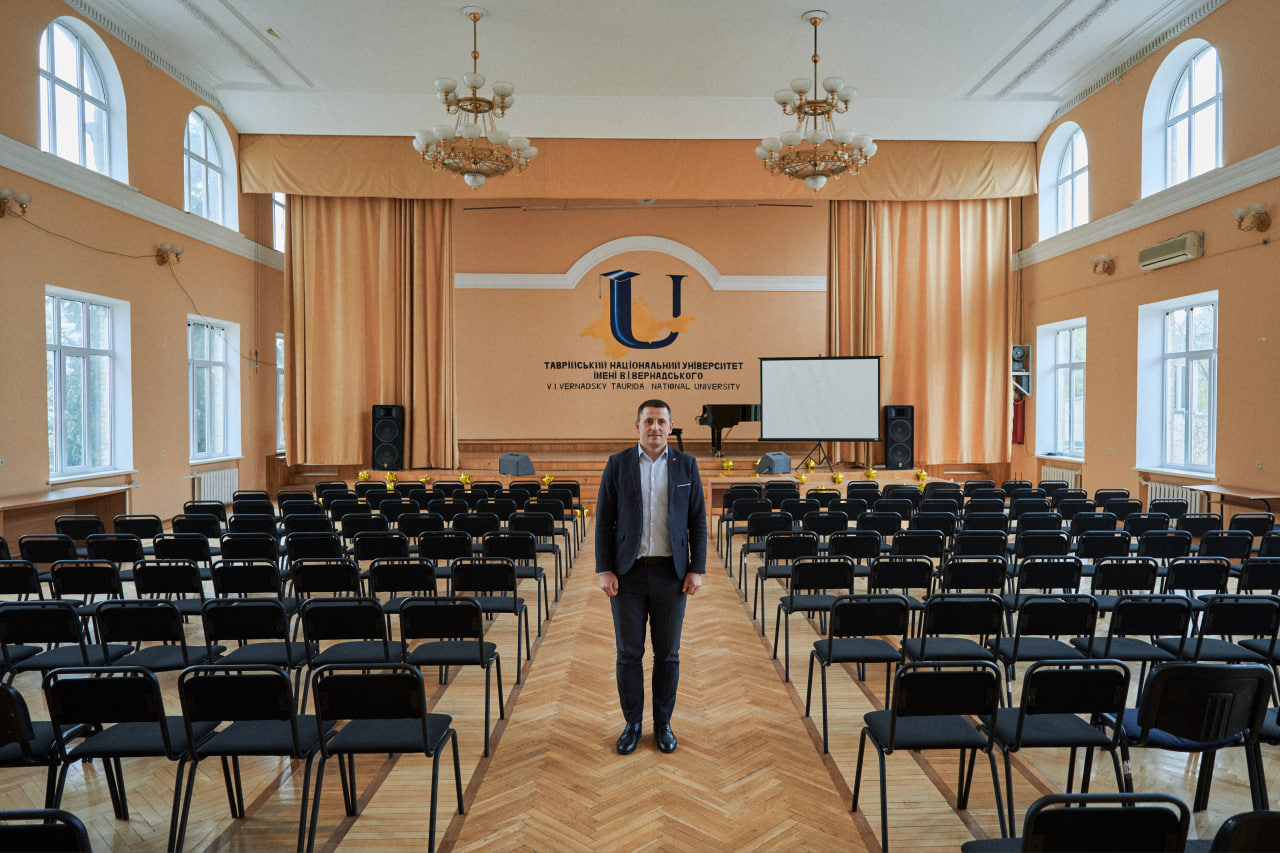
Local universities went through the same confusion of 2014, and while there was no danger of bombing, they were paralyzed and unsure what to do. They used Ukrainian educational programs till the end of 2014 (although chairs of Ukrainian history and Ukrainian language were dismissed). In 2015, the occupants opened two universities on the peninsula by merging all the previously existing Ukrainian universities: the “Vernadsky Federal University of Crimea” and the “Sevastopol State University”.
Mykola Bahrov, the rector of the Vernadsky TNU, became a collaborator and the president of the new occupants’ university, and Volodymyr Kazarin, the then-chair of Russian and foreign literature, officially relocated the institution to Kyiv and became its rector, without relocating any property either. Most of the faculty and the students remained under occupation.
For six months, the university was located in a couple of auditoria in the Red Building of the Taras Shevchenko National University in Kyiv, and, from 2016, it became a legal successor to the Academy of Municipal Government in the district of Pechersk, inheriting its property, rights, and duties.
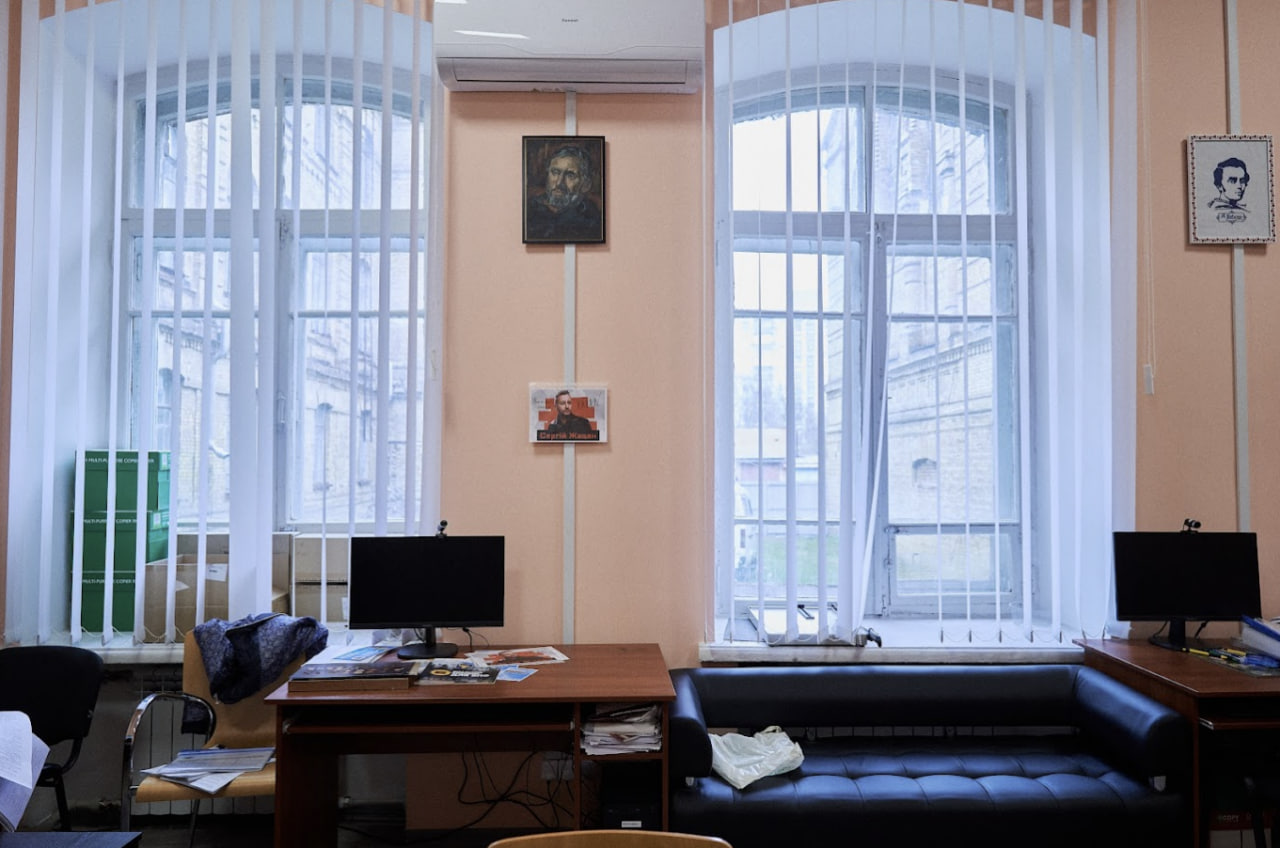
In Crimea, around 15,000 students were studying at the university; in 2026, in Kyiv, 236 enrolled. In 2026, professors who relocated from Crimea no longer work at the institution, but the institution still cares about its history and mission. Volodymyr Kucheriavyi, the Vice Rector for Academic Affairs, who’s been working at the university since its first days in Kyiv, tells us about it.
“I know from my colleagues that the relocation was difficult; they were moving out at risk, they weren’t even able to take their license for educational services with them, only a copy… The university's name was the only thing they could take… There was a dilemma about where to relocate: in Kyiv, where there’s a lot of competition, or maybe somewhere closer to Crimea. Still, they made the political decision to move to the capital,” Volodymyr comments.
Despite Crimea being occupied for 12 years, there are still people who want to study in Ukrainian universities. Last year, there were 42 of them, and seven chose the relocated Crimean university.
“We do what we can for these students: give them psychological support, help with the documents, because they often have problems with that, and provide them with free lodgings. Last week, we took in a young man from Crimea. Before 2022, people could pass through Chonhar¹³; now they have to go through Belarus, Poland, or even Turkey”.
The Center of Reintegration and Development of Crimea is operating at the university; it’s a platform of sorts for government agencies and NGOs connected to Crimea and the Crimean Tatars. The university is one of the centers of popularization of the Crimean-Tatar language. It’s the only university in the country that trains school teachers in this language and literature.
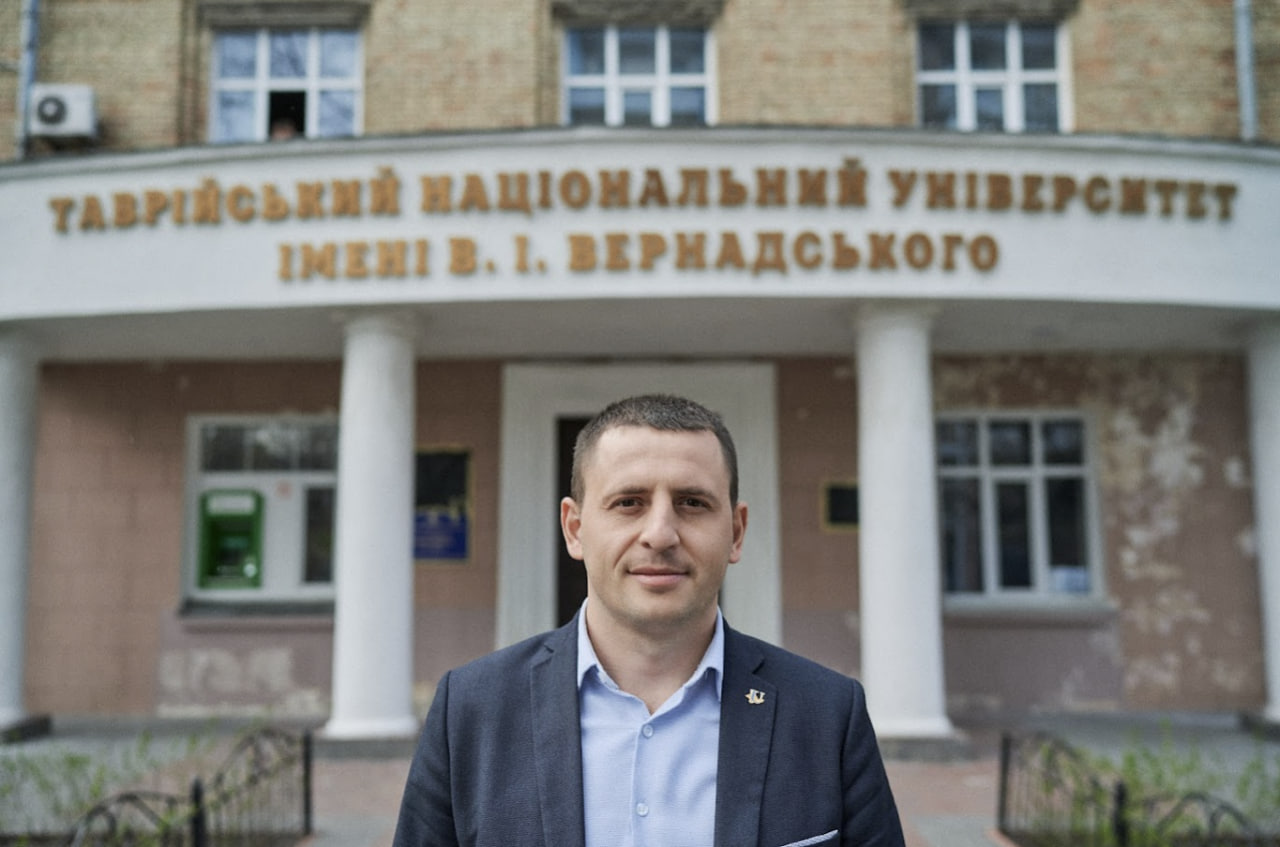
The “Vernadsky Federal University of Crimea,” organized by the occupants in the peninsula, isn’t recognized by the international community. Its employees have trouble with international scientometric systems, so sometimes they use the name of the real relocated university instead. The institution files complaints and fights against this practice, Volodymyr says.
Like the Taras Shevchenko LNU, the Vernadsky TNU is ready to return to its homeland: “It’s our main task, declared in our strategy,” the vice rector says. “We are training staff and preparing instruments for reintegration. We don’t care whether our students come from Crimea or not, we acquaint all of them with the peninsula and prepare them to go there with their knowledge and experience, if it is liberated”.
Currently, 2000 students are studying at the university. Last year, it ranked 17th out of 72 universities in the capital.
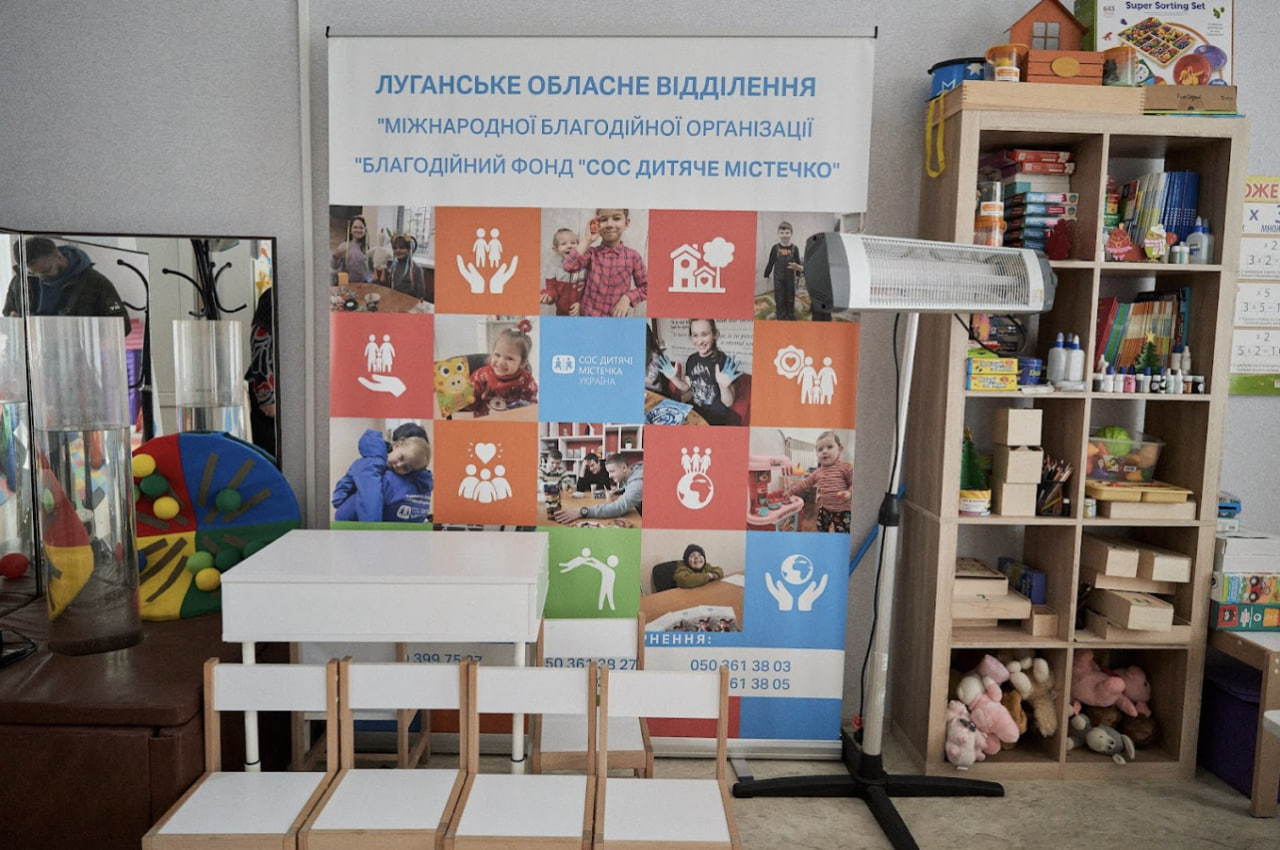
Since the beginning of the Russian-Ukrainian war, 44 universities have been relocated. There were two waves in this process: in 2014 and in 2022. Some universities, like the Taras Shevchenko LNU, were relocated twice. These processes were a considerable logistical challenge, but the rescued centers of science and education became points of gravity that gather local communities, help preserve and discover regional identity, and prepare for the reintegration of the occupied territories.
Footnotes
1. Vasyl Barka was a 20th-century Ukrainian writer born near Lubny. He is mostly famous for his book "The Yellow Duke" dedicated to Holodomor, the genocidal artificial famine of 1932-33, during which Stalin's policies killed around 4 million Ukrainians.
2. Oleksii Beketov was a Ukrainian architect and artist who worked mostly in Kharkiv and the Kharkiv Region in the first half of the 20th century.
3. Taras Shevchenko is the most prominent Ukrainian national poet, who lived in the 19th century and became a symbol of Ukrainian culture and anti-imperial resistance for future generations.
4. In spring 2014, after Viktor Yanukovych, the then-president of Ukraine, fled to Russia as a result of massive protests (known as the Revolution of Dignity), Russia annexed Crimea and started a local conflict against Ukraine in the Donbas region, using proxies under the guise of separatists, FSB and intelligence agents, and later regular armed forces. It was the beginning of the war that escalated into a full-scale invasion in 2022.
5. SBU (SSU, Security Service of Ukraine) is the main internal security agency in Ukraine.
6. The series of conflicts, that happened in the 1990s - early 2000s during the breakup of the Yugoslavian Republic.
7. Moodle is an electronic system of education management.
8. Canada has one of the most numerous Ukrainian diasporas abroad.
9. Stepan Bandera was one of the leaders of the Ukrainian resistance and struggle for independence before and during WWII. Being a controversial historical figure, he was demonized out of proportion by the Soviet propaganda, and Russia still uses him as a boogeyman during the current invasion.
10. Oleksandr Dovzhenko is the most prominent Ukrainian filmmaker who lived and worked under the Soviet regime.
11. The full-scale invasion of Ukraine began at night on February, 24 2022
12. A thermobaric weapon, also called an aerosol bomb, or a vacuum bomb, is a type of explosive munition that works by dispersing an aerosol cloud of gas, liquid or powdered explosive. This allows the chemical combustion to proceed using atmospheric oxygen, so that the weapon does not need to include an oxidizer. Accroding to the international law, the use of thermobaric weapons in populated areas should be minimized due to their wide-area impact and multiple harm mechanisms.
13. The Chonhar peninsula is one of the pieces of land that connect Crimea to the continent. This was the route Russian troops used to invade the Ukrainian South. It's currently under occupation behind the frontlines, and civilians can't leave the peninsula through it to reach Ukraine.
The reportage is published with the support of the Alfred P. Sloan Foundation.