A Conversation with Maksymovych
20.03.23
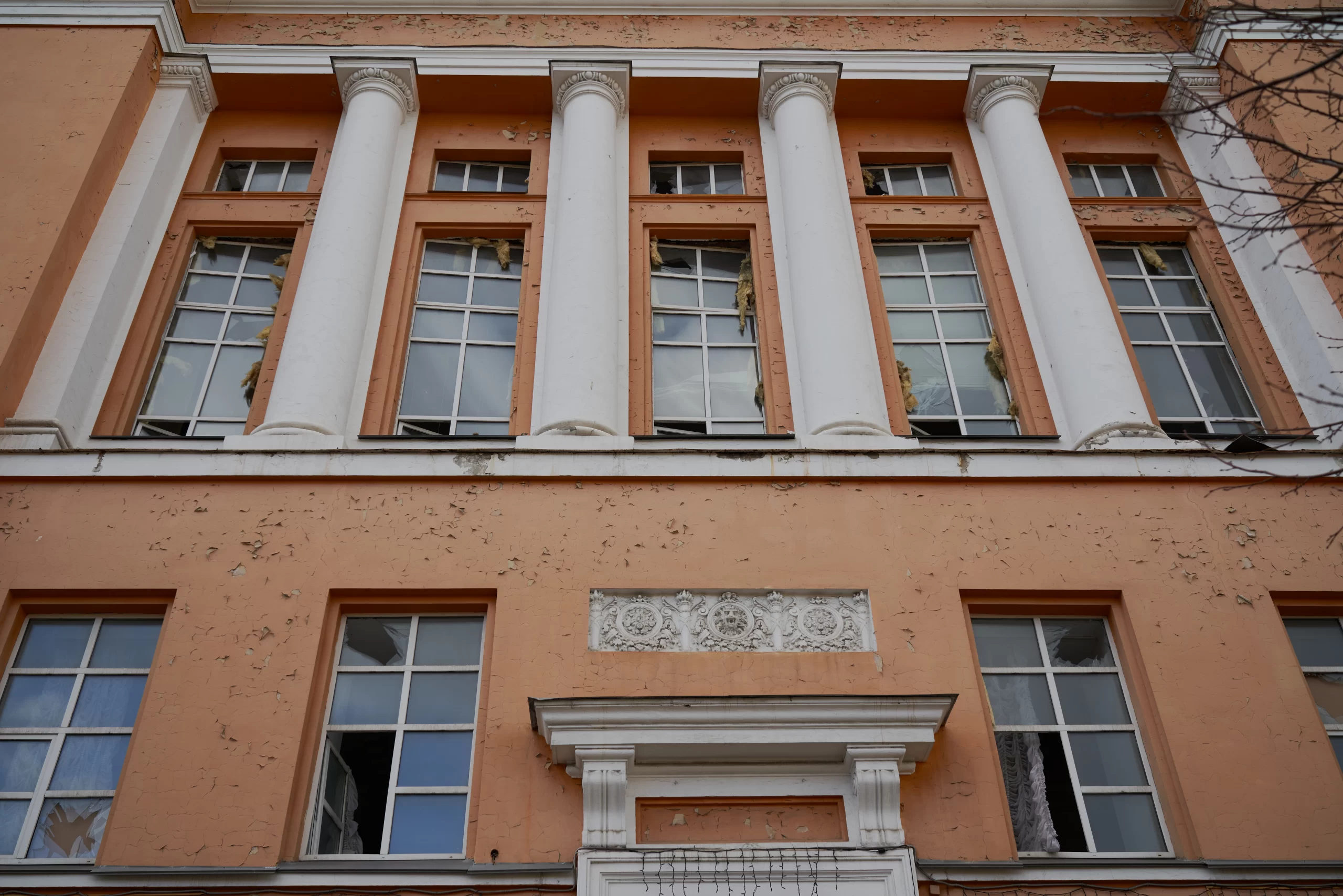
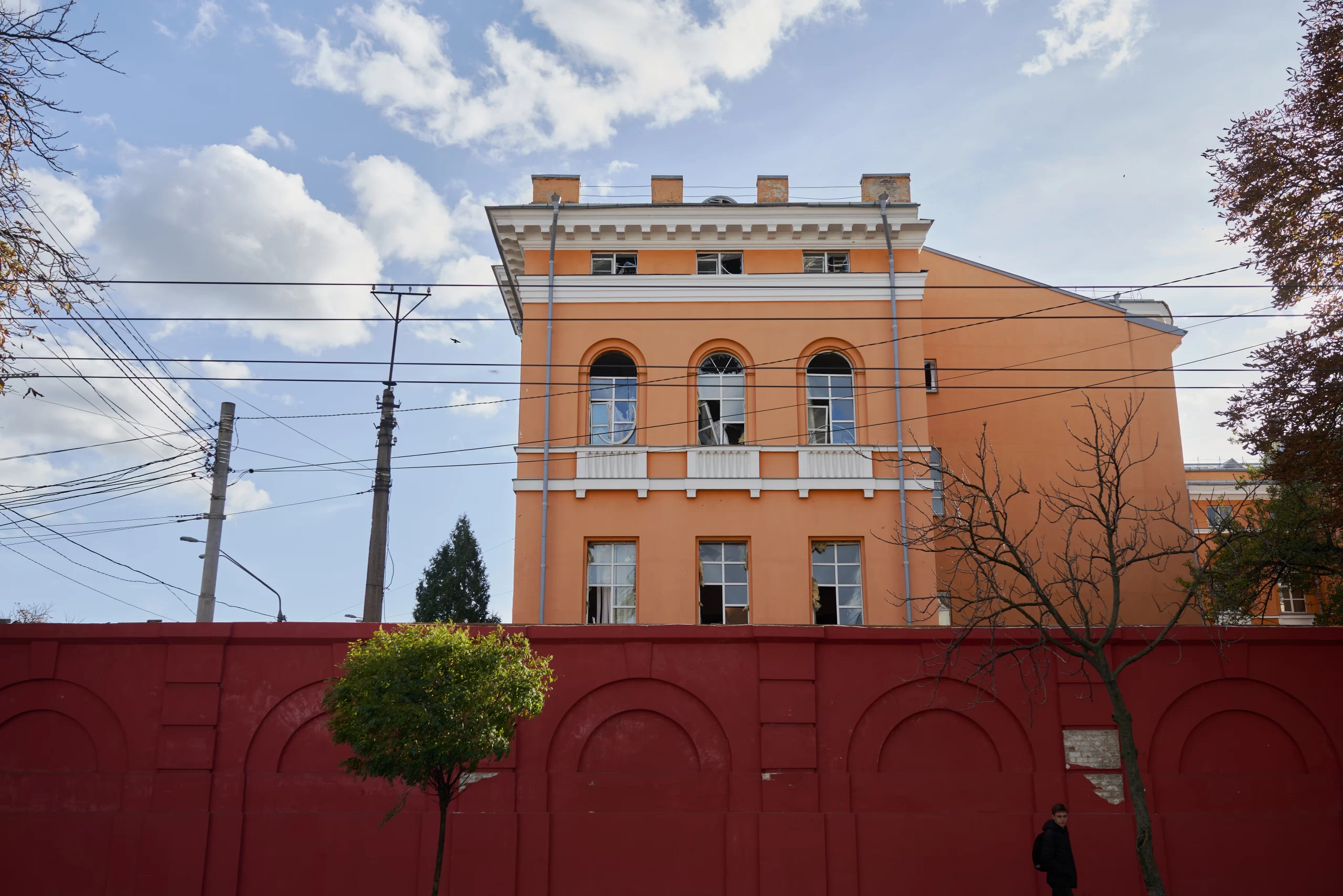
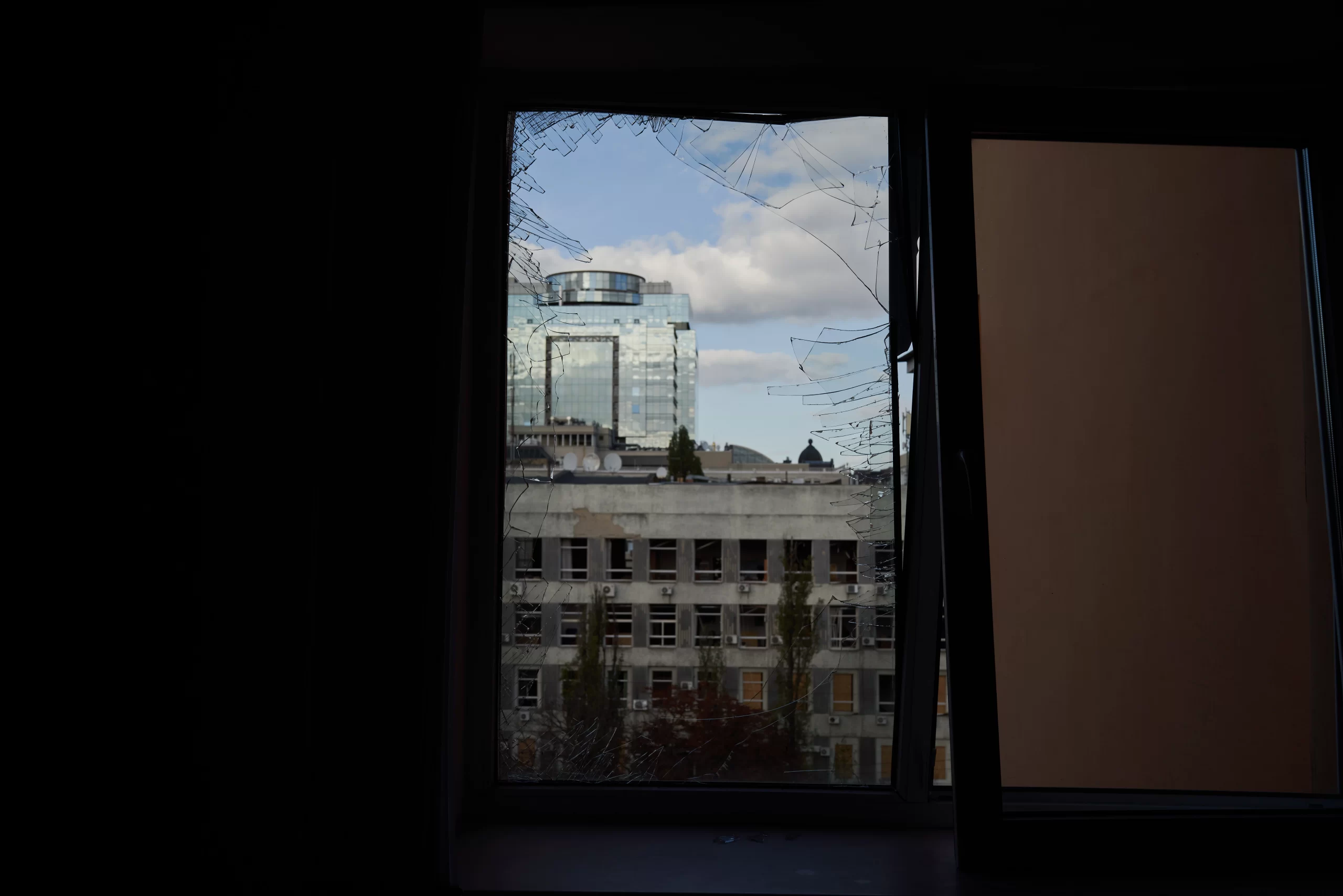
The Maksymovych Science Library was heavily damaged by the Russian missile attack on October 10. The blast wave hit the right wing of the building, and, bouncing off other buildings, also damaged the windows on the other side. The blow to this particular library carries enormous symbolism, perhaps even greater than the damage to the Central Council building.
Here's a little history. Taras Shevchenko Kyiv National University was founded in 1834 as the St. Volodymyr University and was founded not simply out of the good will of the emperor, but as a “center of Russian culture” that was supposed to neutralize the rebellious attitudes of the Poles after their failed uprising of 1830-1831. For this purpose, two important centers of the Polish revival were disbanded — Kremenets Lyceum and Vilnius University. Instead, a university was opened in Kyiv under the watchful eye of the autocrats. A library (more than 34,000 books) was also brought from Kremenets, which became the basis of today’s Maksymovych Library.
However, contrary to the empire's plans, the university eventually became one of the essential centers of the Ukrainian revival, and the tsar's plan ultimately backfired. It was here in 1845 that the Brotherhood of Saints Cyril and Methodius was formed, which included prominent figures like Mykola Kostomarov, Taras Shevchenko, Panteleimon Kulish, and others.
During Soviet times, a large part of the university library was handed over to the National Library of Ukraine (today’s Vernadskyi National Library of Ukraine), and specialized literature was left for the university, including what was necessary for education. The library was placed next to the red building on the premises built for faculties of humanities. The university was gradually growing, and the library alongside it. In addition to the central premises on Volodymyrska Street, it opened subsidiaries at many faculties.
Both during the tsarist and Soviet times, the library had a special fund where banned literature was stored. This practice was eventually eliminated in the times of independence. In 1994, the library was named after the first rector of the university, Mykhailo Maksymovych.
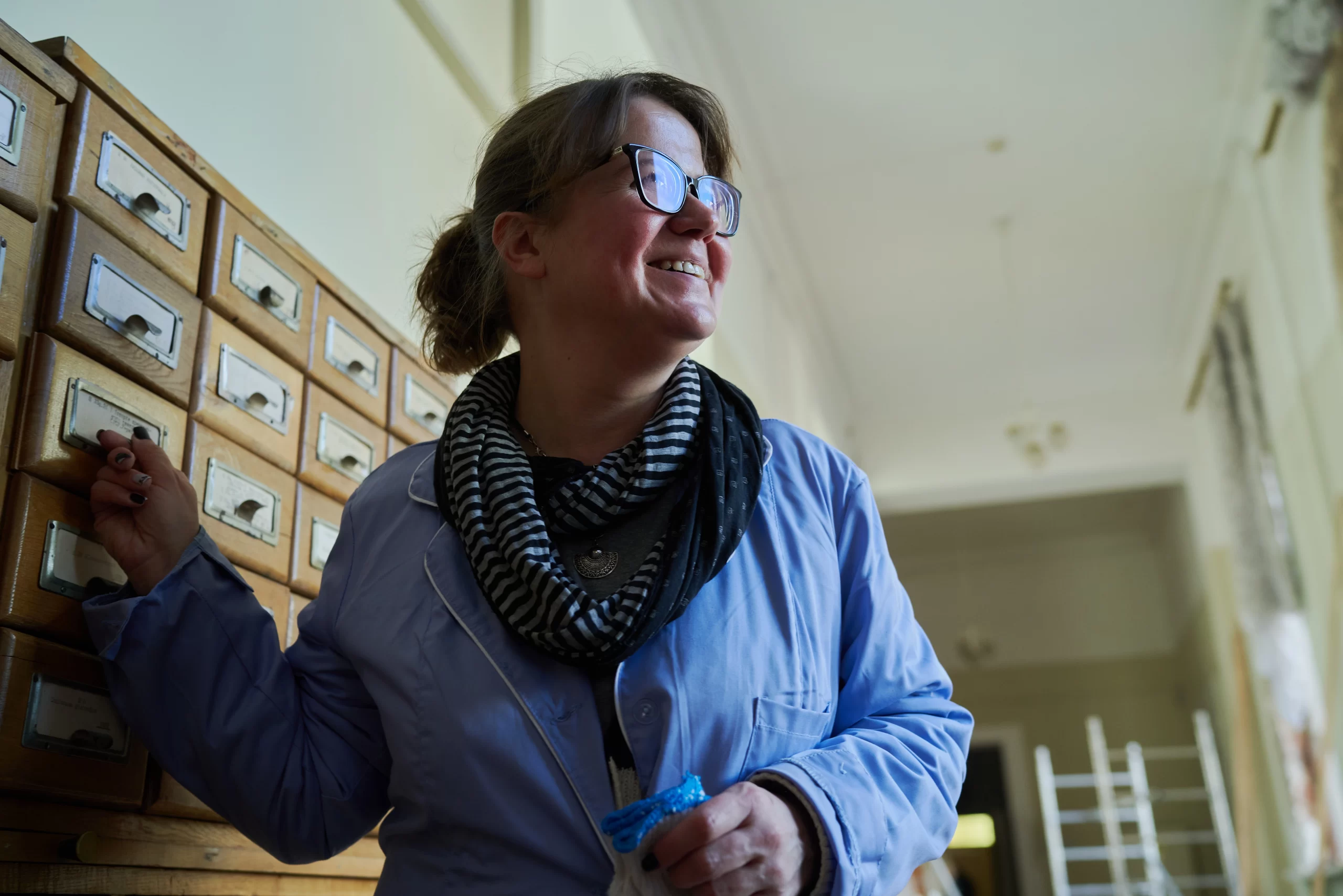
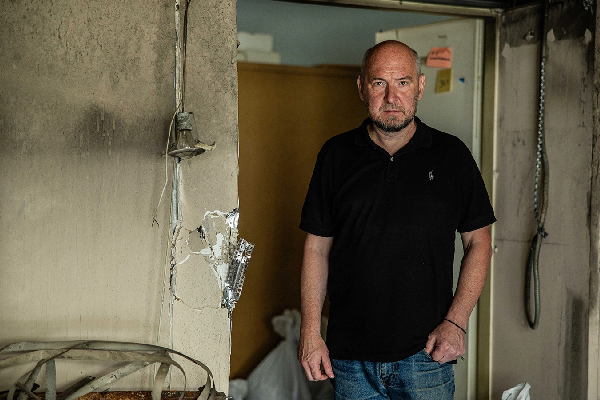
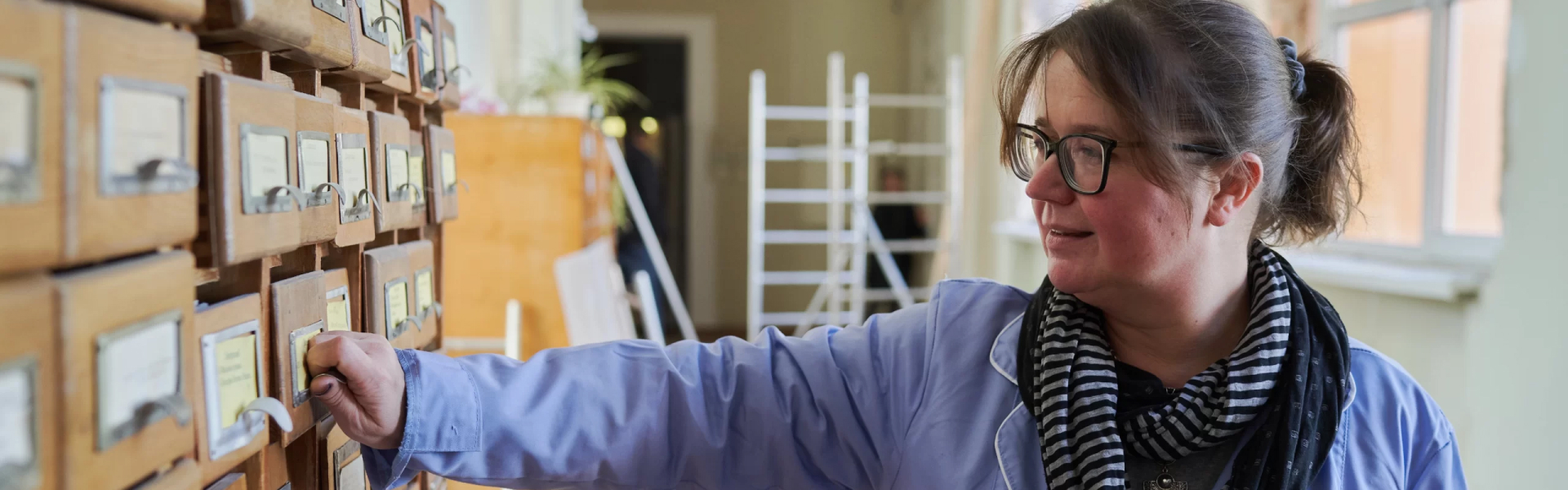
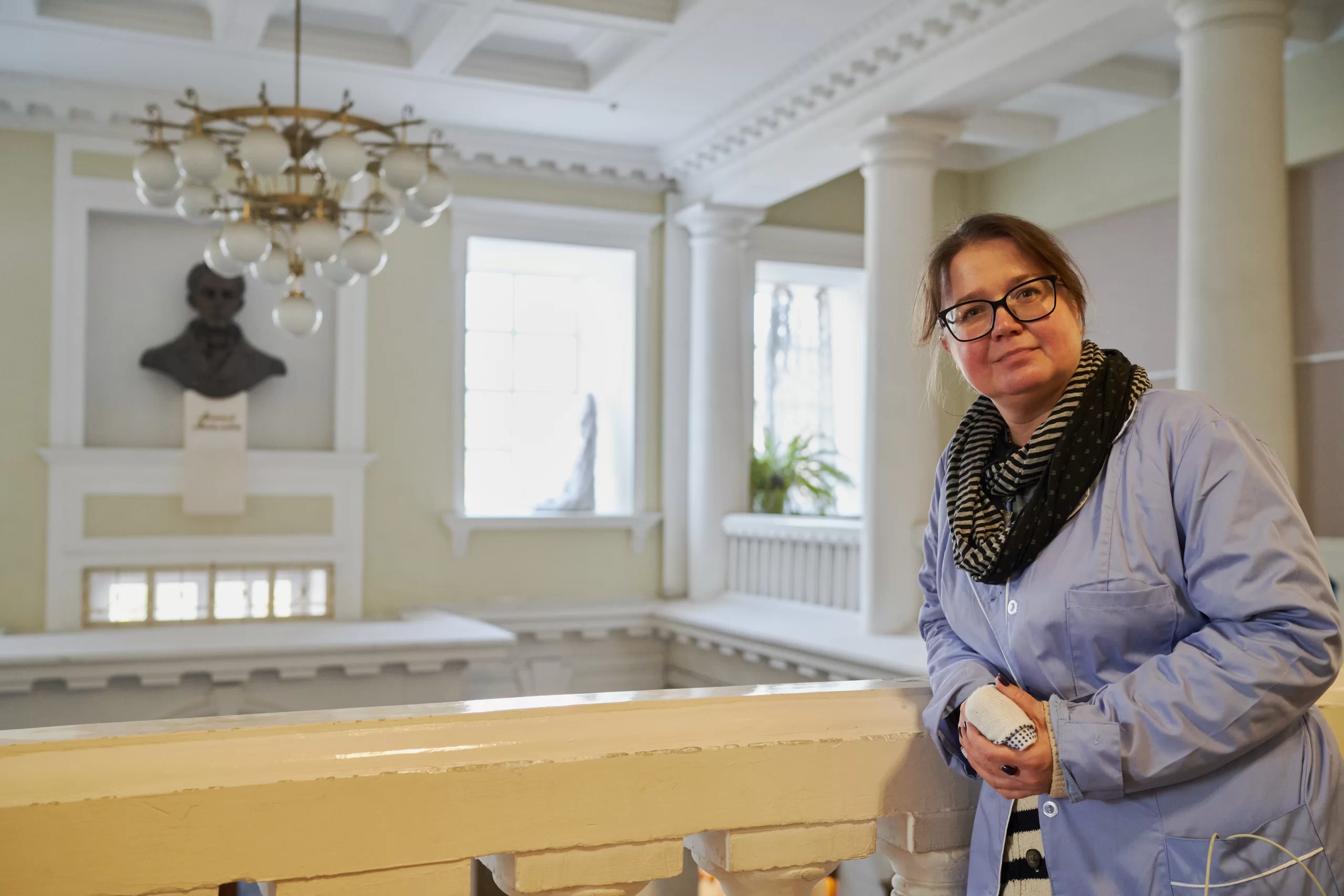
We visited the institution on day three following the attack. We were met by Olha Petrenko, head of the department of cultural and educational work. We walked in through the side entrance, because the main door was jammed by the blast wave.
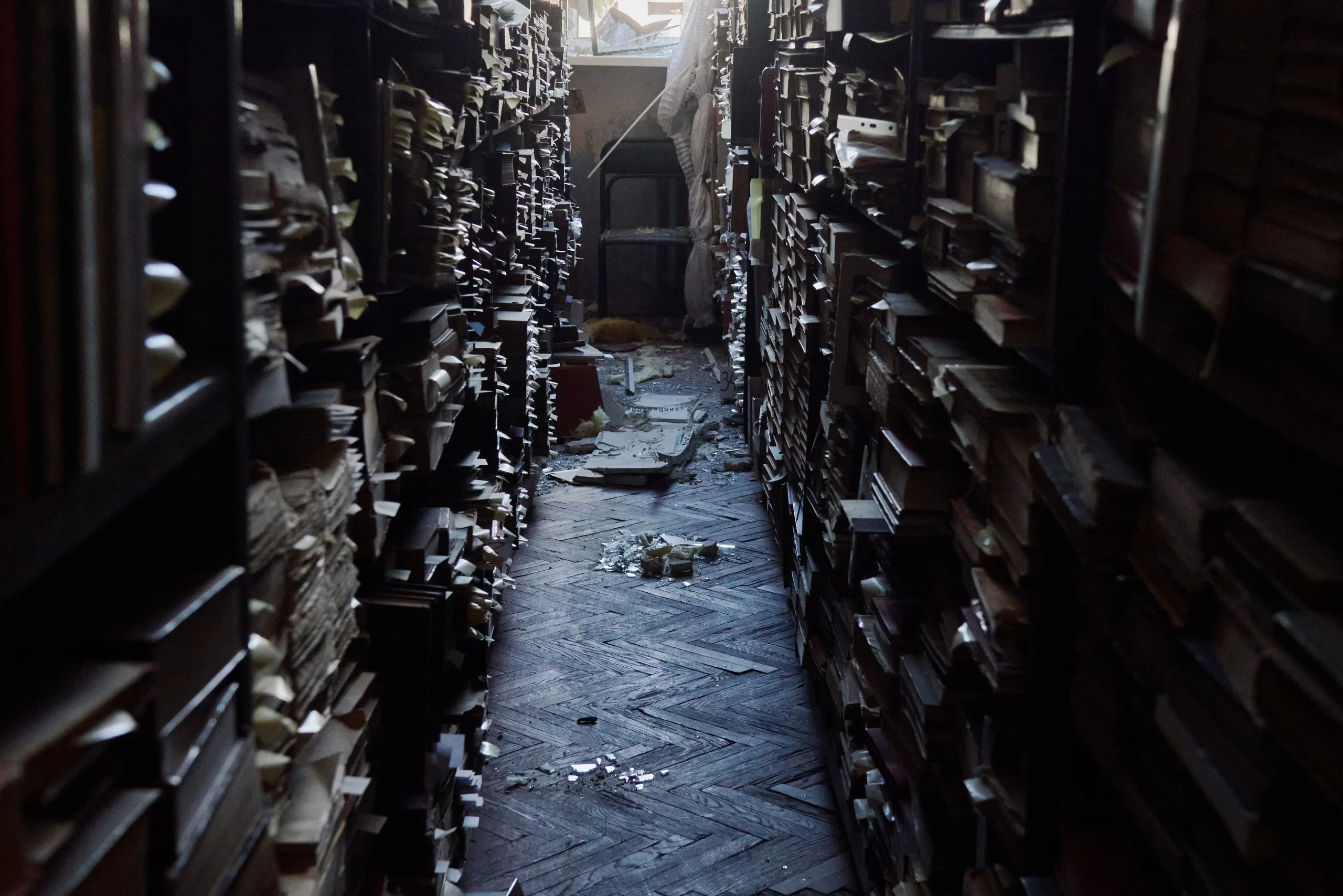
The right wing, which suffered the most damage, hosted rare books, mainly old European prints of the 15th-17th centuries. The most valuable editions are the 1497 incunabula (books from the early period of book printing, i.e. printed before January 1, 1501. The print run of incunabula did not exceed a few hundred copies) of Suetonius Life of the Twelve Caesars in Latin and paleotypes (is the name of European printed books issued from January 1, 1501, to January 1, 1551), the oldest of which is the Mass Book by Hieromonk Pachomius, published in Old Bulgarian in 1519. Fortunately, the books were not damaged.
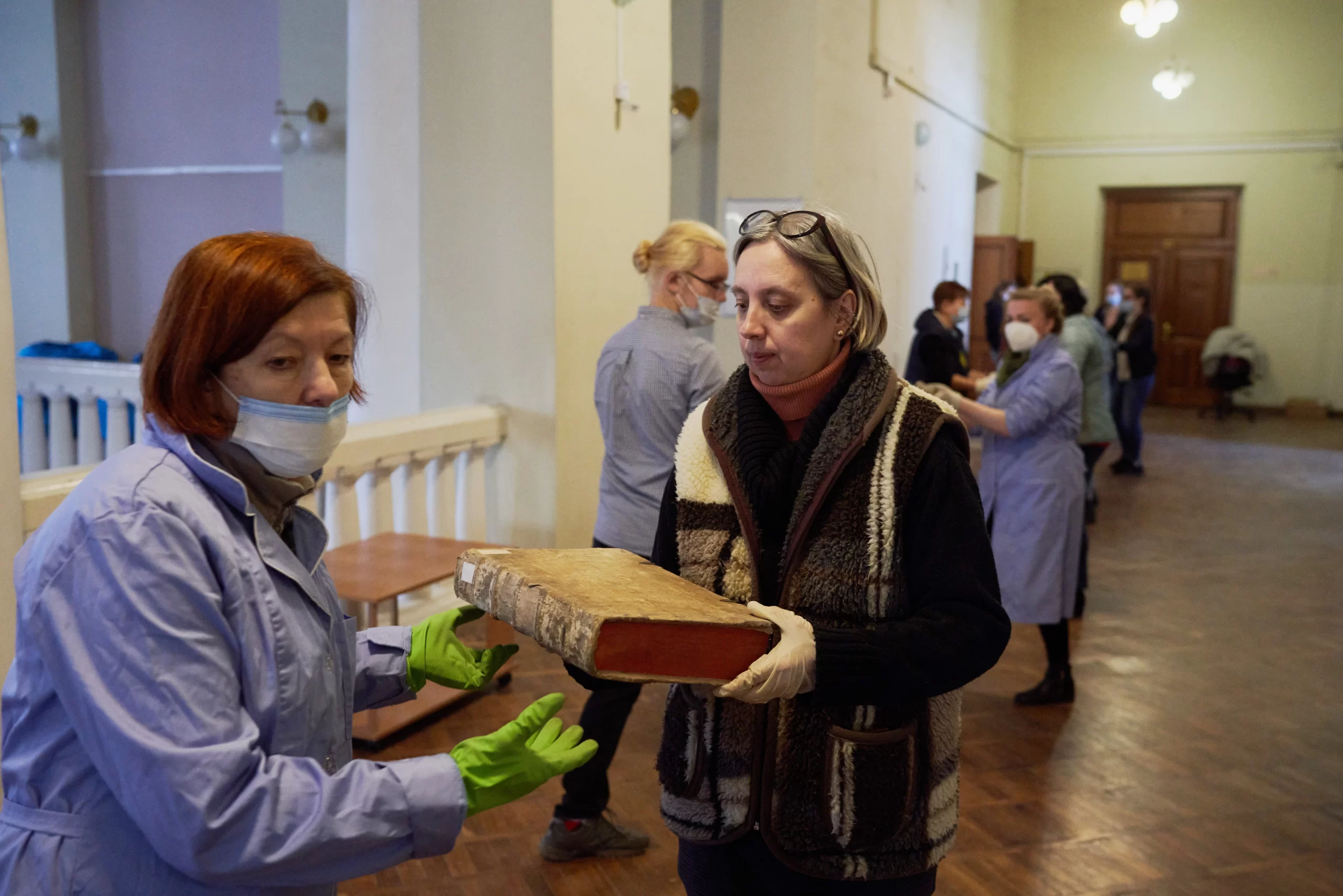
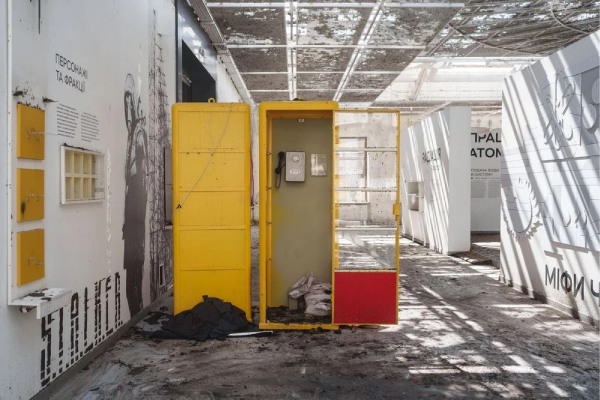
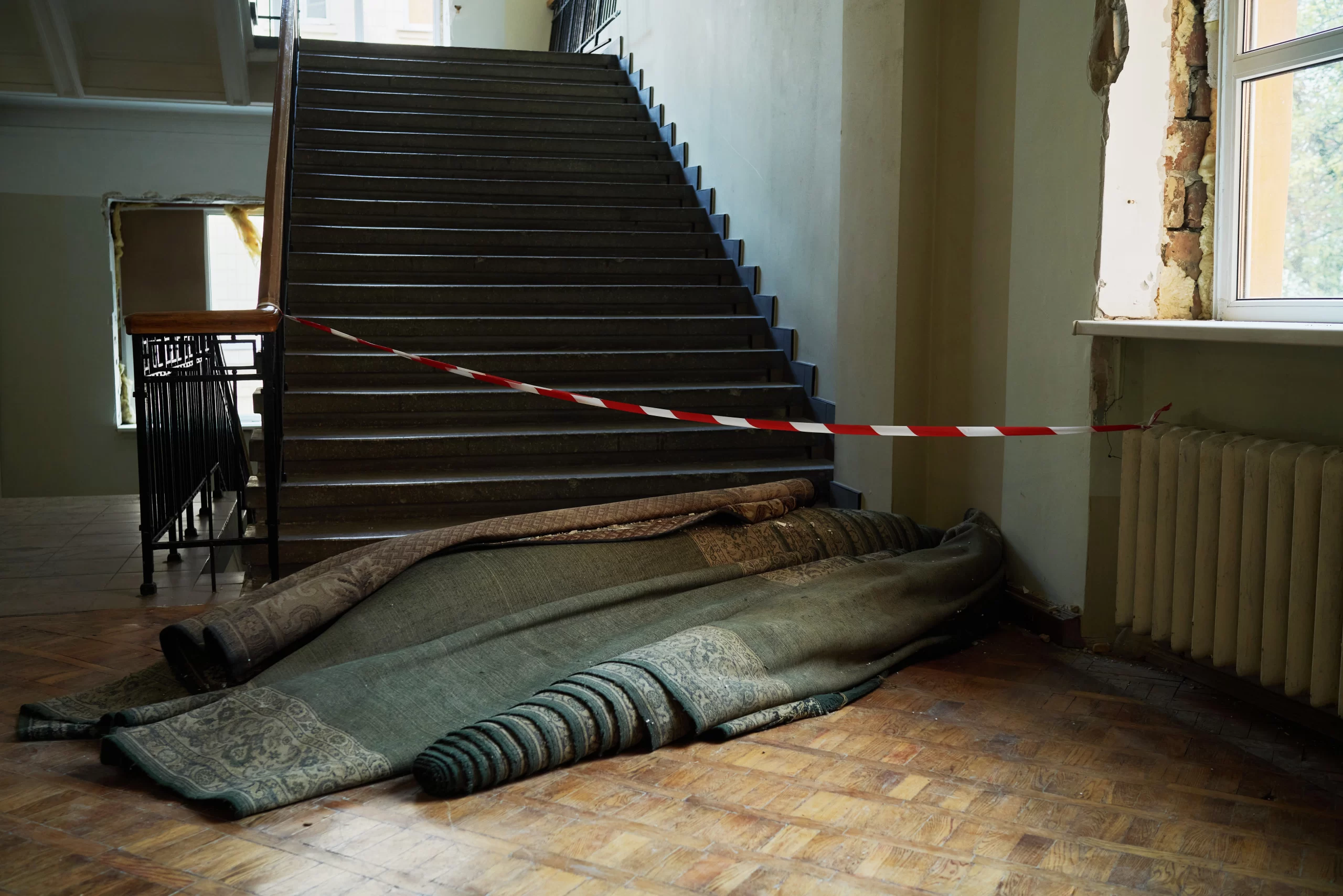
At the time of our visit, librarians and students were passing old prints from hand to hand to the surviving room. The most damaged book storage rooms have not yet been cleaned up, because the library is waiting for law enforcement to investigate, so we were able to see the consequences of the destruction: windows broken, sometimes with frames, plaster collapsed, cracks in the walls.
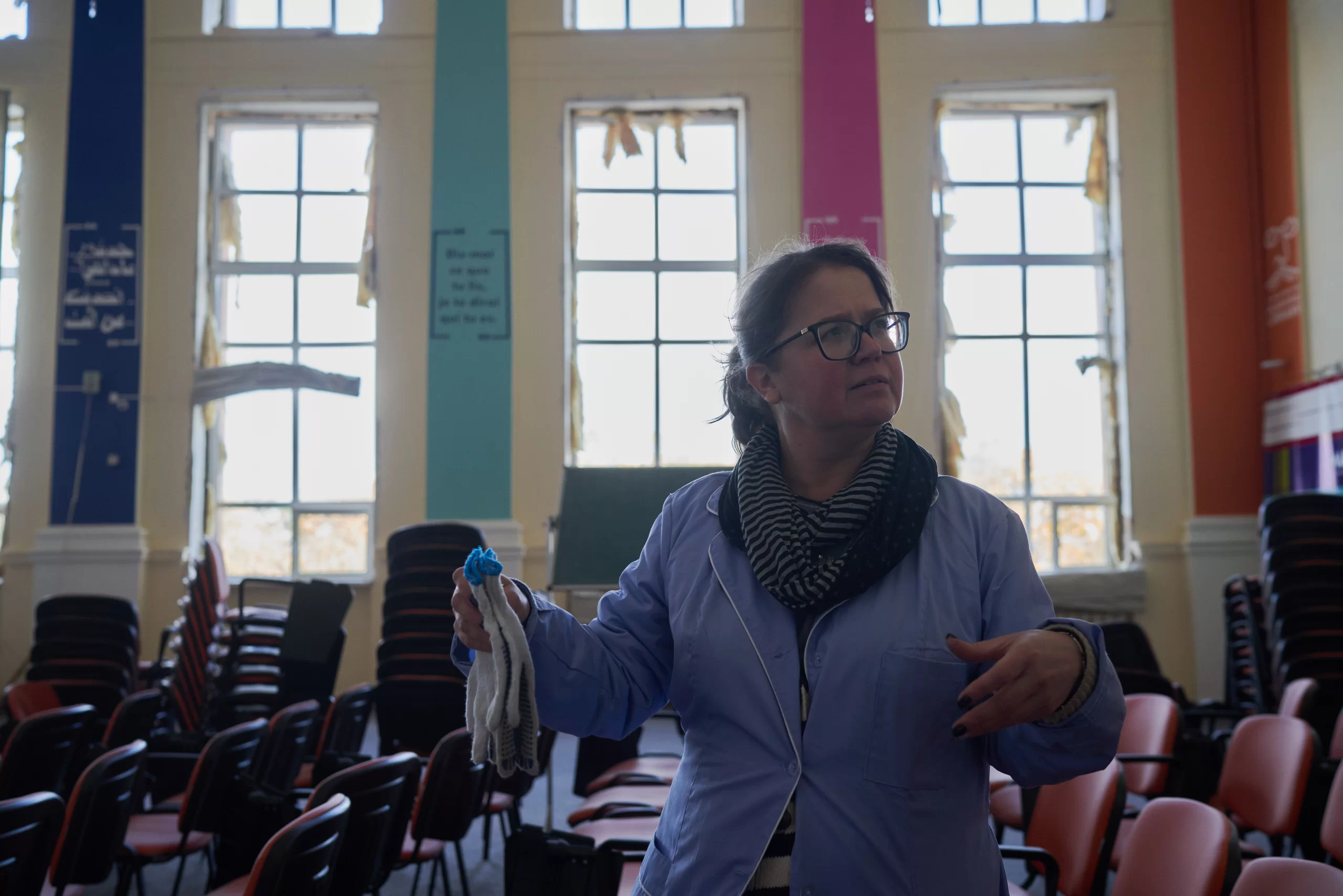
The building where the library is now located was put into operation in 1940, so the largest hall was then called the “Stalin room” and used to store the monument to Stalin. In modern times, a large co-working space was set up here, with student life in full swing: lectures, conferences, student parliament meetings. Now, the windows in the room are broken — as if Stalinism tried to return to the library.
Olha is sincerely surprised by this attack. She hoped that the Russians would not start shelling the university and museum quarter, with no military facilities, but that did not stop them.
In total, the library has well over three million books, more than half of them currently in the main building. The collection includes textbooks and scientific books. Due to the large-scale invasion, some students joined the Armed Forces, some ended up in the occupied territories, but many tried to return their books after the academic year ended. They asked family and friends to give them back or returned them via mail.
Since April, the library tried to return to normal life, students started holding their events again on the premises, but after the destruction caused by the shelling, everything was suspended again.
Speaking about symbolism, the figure of Mykhailo Maksymovych is quite iconic. He is an outstanding scientist who left behind important works in philology, history, archeology, botany, folk studies, and ethnography.
In 1856, Russian historian Mikhail Pogodin put forward a hypothesis that “ancient Russians” lived in the duchy of Kyiv (and spoke the proto-Russian language), but they ran away from the Mongol invasion to the northeast, and were replaced by Ukrainians from the Carpathians, Galicia, Volyn and Podillia (who brought the Ukrainian language with them).
This hypothesis was thoroughly refuted by none other than Mykhailo Maksymovych. The irony is that in Pogodin's unscientific hypothesis, there are two separate peoples with separate languages — Russians and Ukrainians, while Maksymovych, who debunked the stories about migration, defended the “unity of brotherly peoples,” which is now the basis of the neo-imperial Russian myth. Maksymovych’s position should not come as a surprise, since at that time, the Ukrainian national project was just beginning to take shape, and the work of this scholar himself really helped with this formation. But it is really ironic that this library, not in the slightest bit military in nature, was named after an advocate of East Slavic brotherhood — and was damaged by an attack carried out by the same “brothers”.
The crater from the missile that damaged the library was repaired on the second day following the attack. It left behind a square black patch on the road. We hope that the library, too, will be restored quickly, while the idea of “brotherly nations” will be nothing but ancient history.
This report has been developed within the project supported by the Public Affairs Section of the U.S. Embassy in Ukraine. The views of the authors do not necessarily reflect the official position of the U.S. government.