Preservation of museum and scientific collections: Leonid Gorobets' blog
16.08.23
Leonid Horobets is a Doctor of Biological Sciences who works at the National Natural Science Museum of the National Academy of Sciences of Ukraine. In the Science at Risk project, he is part of the analyst group working on the topic in the "Preservation of Science" direction, specifically the topic of "Preservation of Museum/Scientific Collections."
In his blog post, Leonid discusses how the team of analysts selected research methods, described the results they have already obtained, and outlined the future steps of their work.
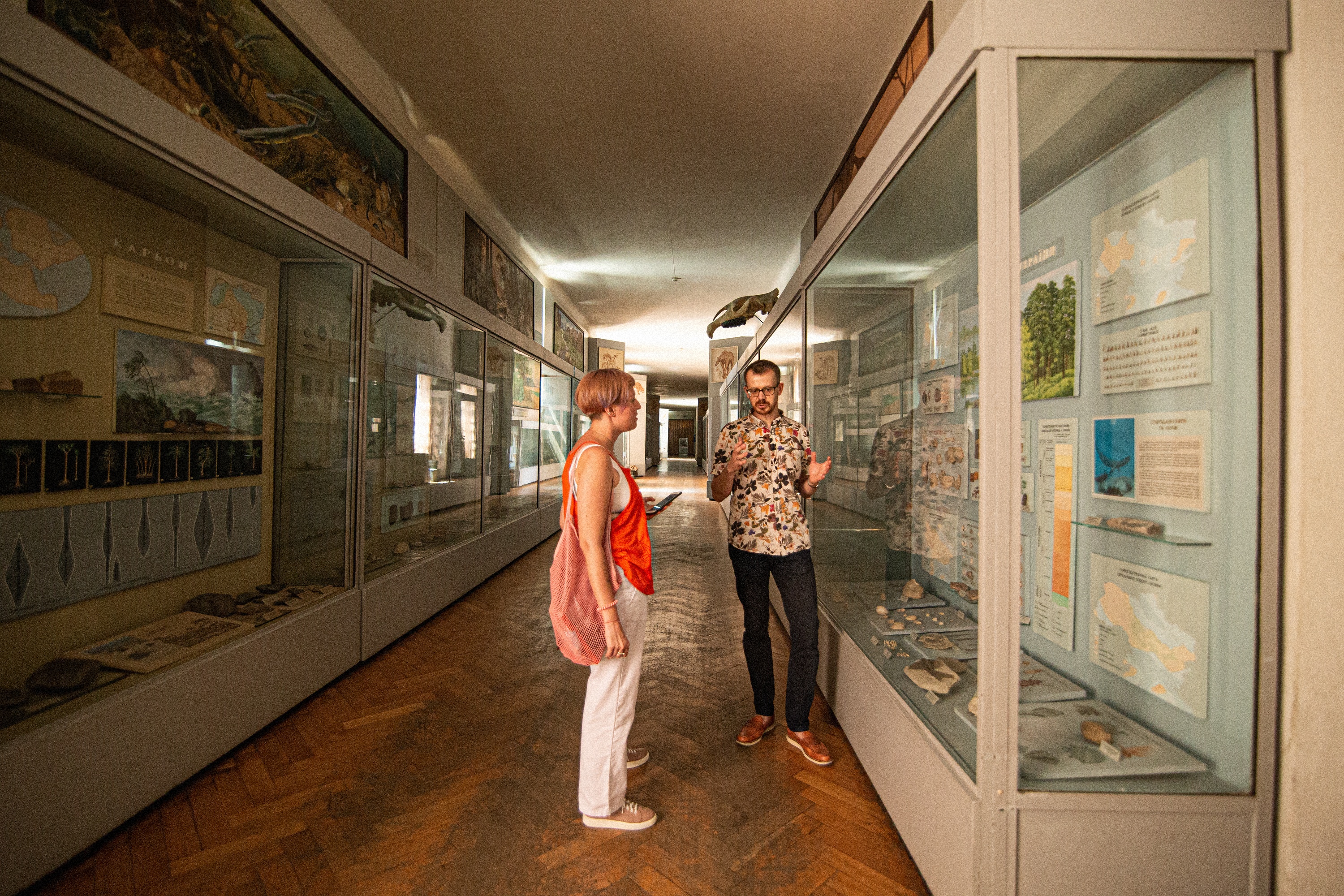
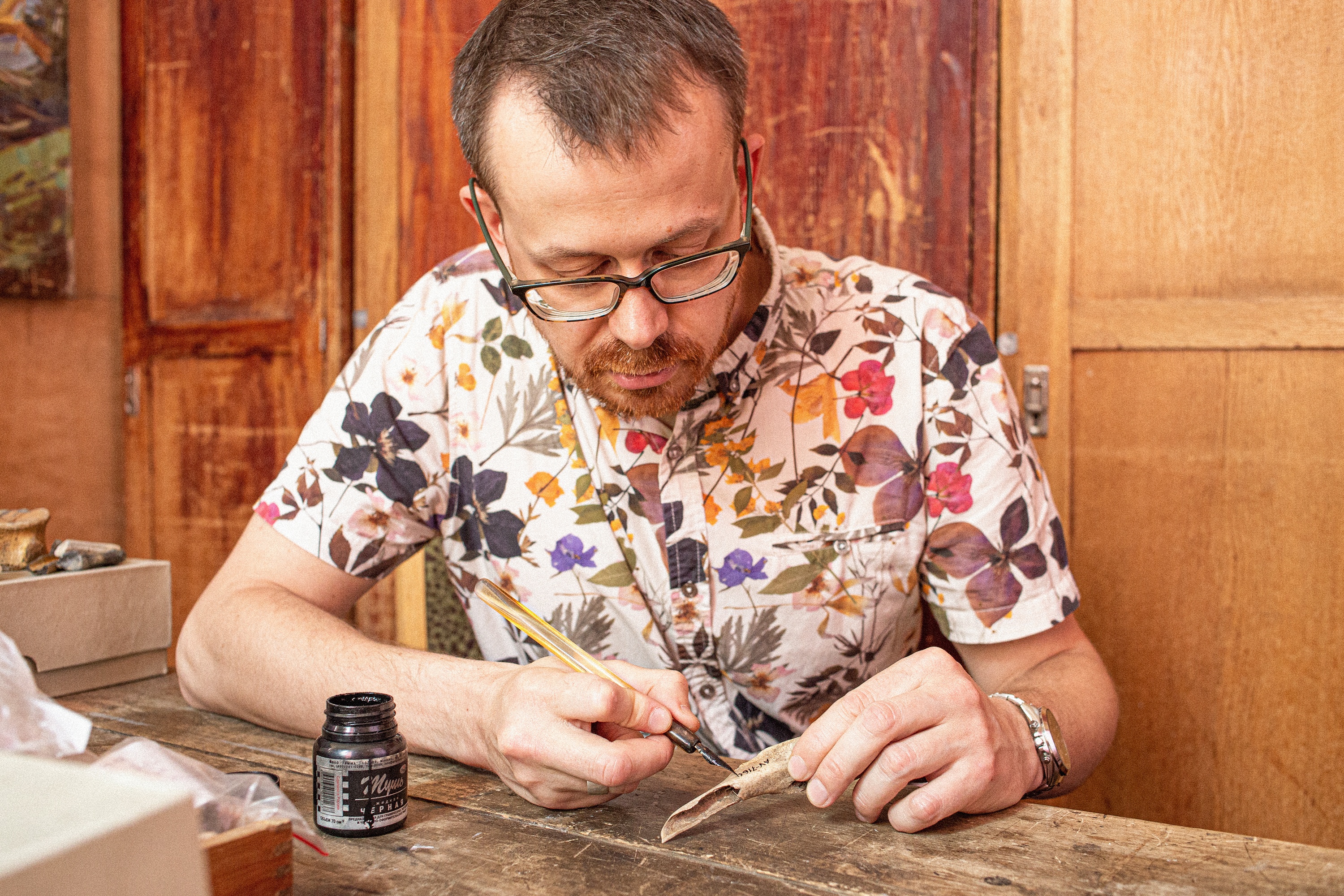
In 2013, I started working at the National Natural Science Museum of the National Academy of Sciences of Ukraine, and since then, I haven't had any field expeditions. My only work trip was to a museum — to the Odessa National University named after I.I. Mechnikov. It turned out that the museum's collections contained many objects that needed description, and I never had time to search for new ones.
In the "Science at Risk" project, I am involved in the "Preservation of Science" direction, specifically the topic of "Preservation of Museum/Scientific Collections." We have agreed on work methods within the group and in dialogue with the project's curators. The primary information-gathering method is interviewing experts on preserving scientific/museum collections. This way, we can learn about the unique experience gained by Ukrainian scientists during times of war (both from 2014 and 2022).
The interviews are still ongoing, so my most valuable insight currently is my personal reflection on preserving the collection I curate. My collections seemed okay — identified, labeled, stored in cabinets, and cataloged. But a simple question arises: in case of danger when there's time for evacuation — which boxes do you take out first? Or another simple question: are digital copies of the objects made if possible? Professional photography and 3D scanning require human effort and money; we cannot execute them for hundreds of thousands of objects stored in the museum. However, in some cases, even a regular photo is an additional preservation measure and can save information in an emergency.
I was struck by the similarity of various scientific fields (for example, paleontology and ethnography) in preserving exhibits. As it turns out, we face similar challenges:
— Visitors misunderstand that a museum contains not only the exhibition but also funds.
— Lack of storage space.
— The need to make copies, both digital and physical.
— Difficulties in evacuation (transporting some exhibits inevitably leads to damage).
Even windows shattered by an explosive wave became a problem familiar to many institutions.
On the one hand, the results obtained are disheartening — so much needs to be changed. On the other — this is the only way we can find solutions to these challenges. Most of them require substantial funding, but some can be addressed cheaply. As for the measures requiring funding, only a portion of them can be implemented at the expense of international projects (like 3D scanning). Only the state can implement the central part (building repositories, genuine cooperation between scientific institutions and emergency services, etc.). Thus, further work seems meticulous — establishing contact between scientists and the state.